Ford Tuning Melbourne
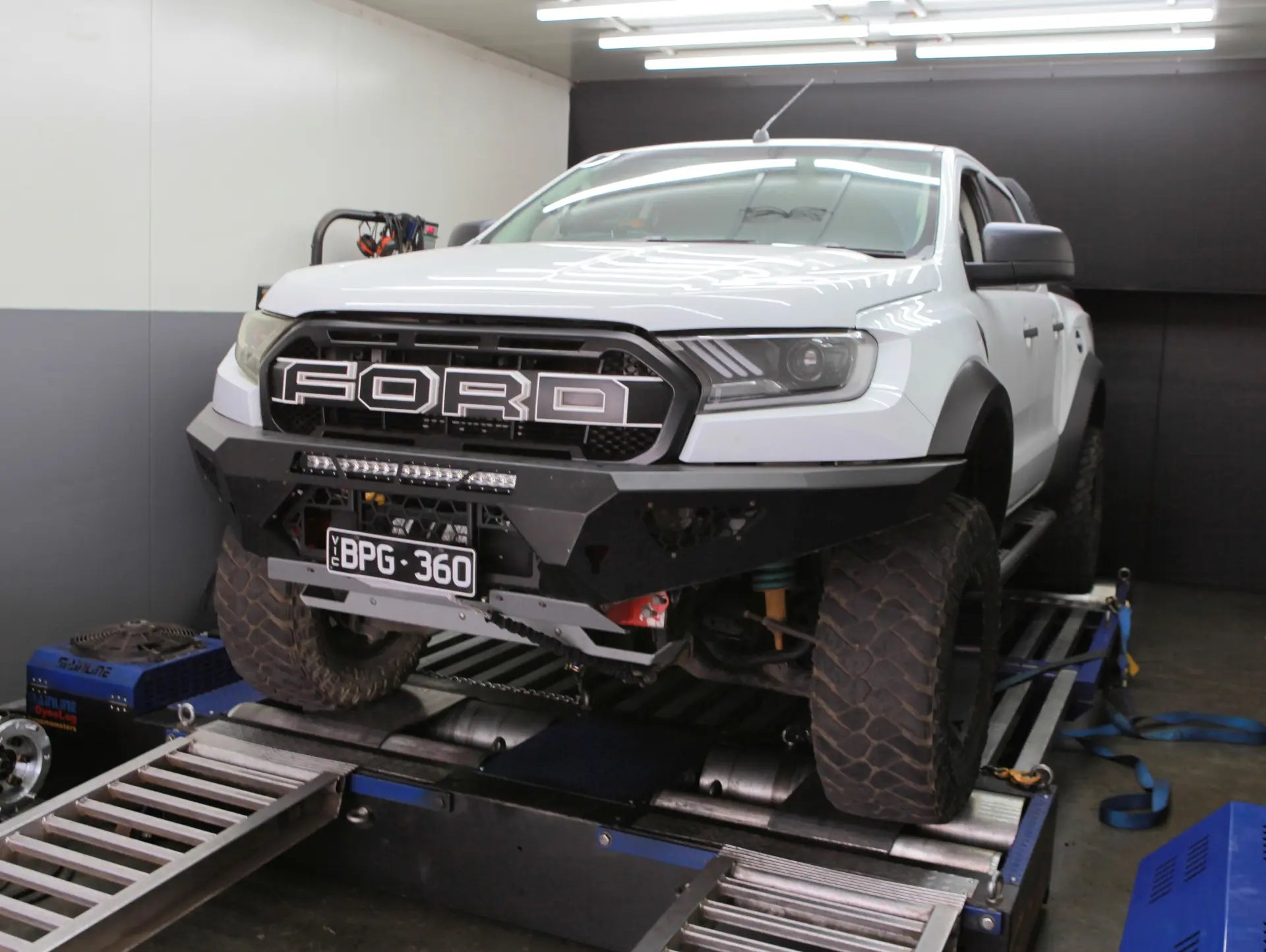
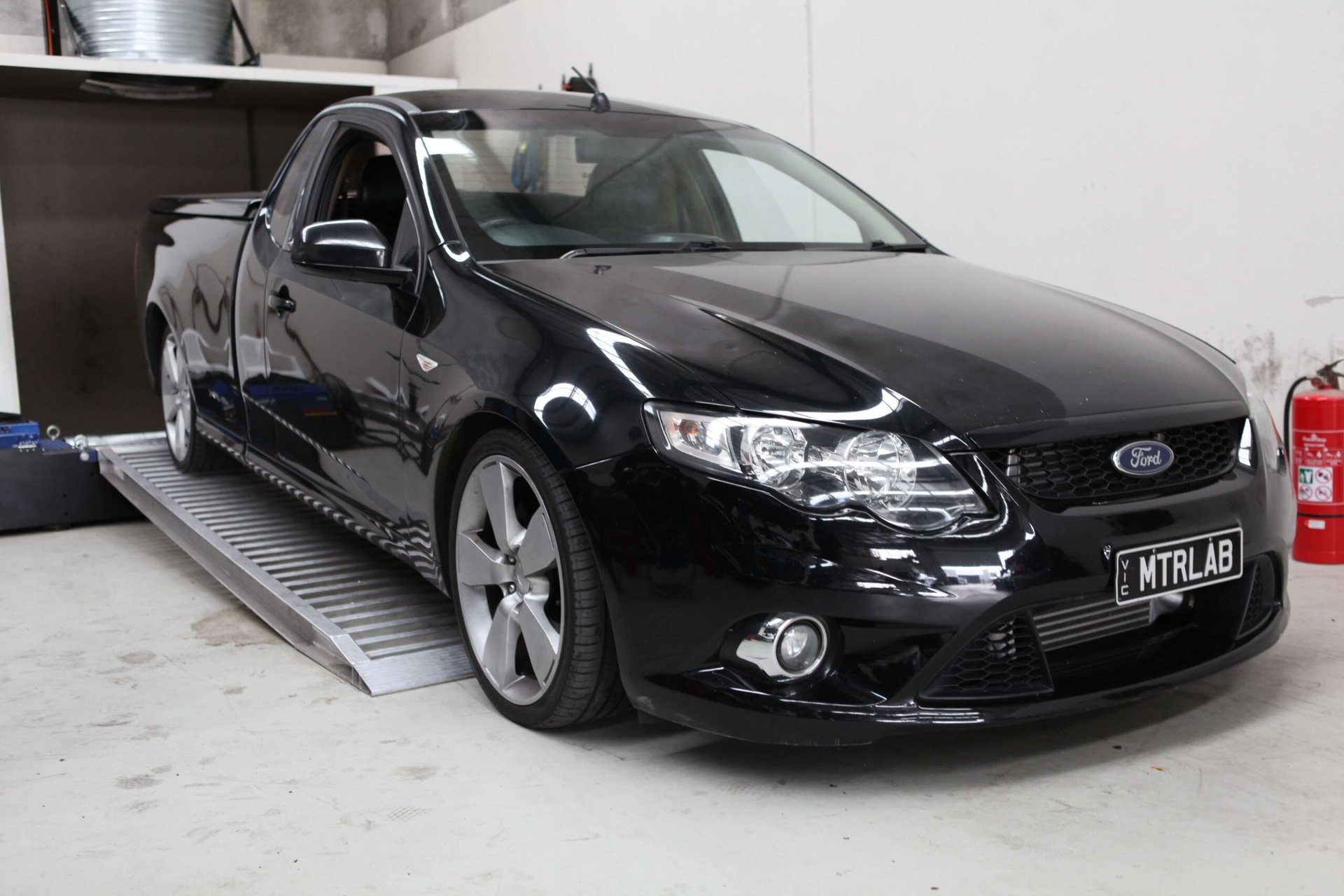
From Ranger Raptor diesel tunes to Mustang GT E85 conversions, FG Falcon XR6 Turbo Barra builds and Focus ST stage work: we have hands-on dyno history with every Ford platform. ECU and TCU tuned on our Mainline AWD dyno.
Ford Dyno Results
Your Ford Dyno Tuning Specialists.
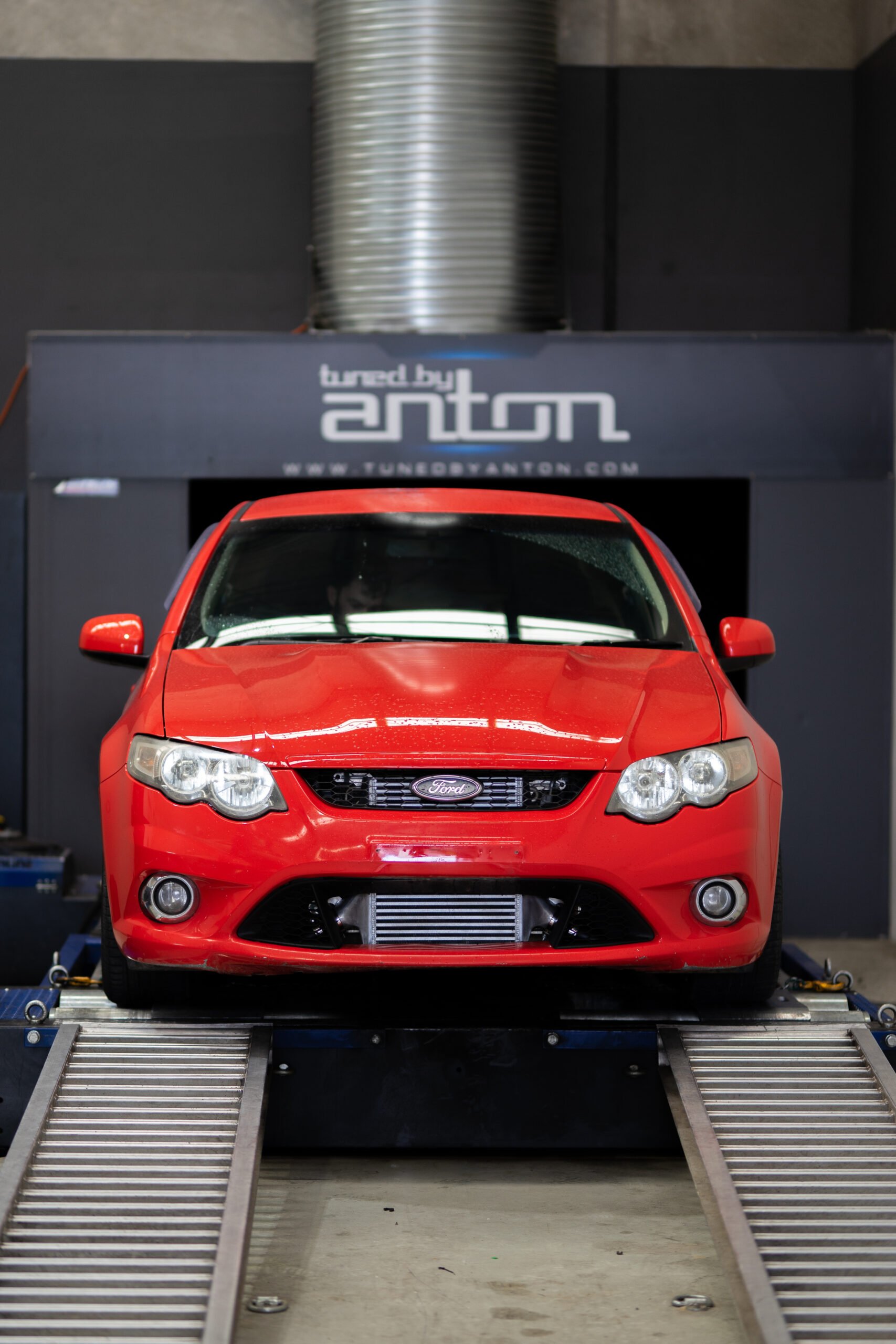
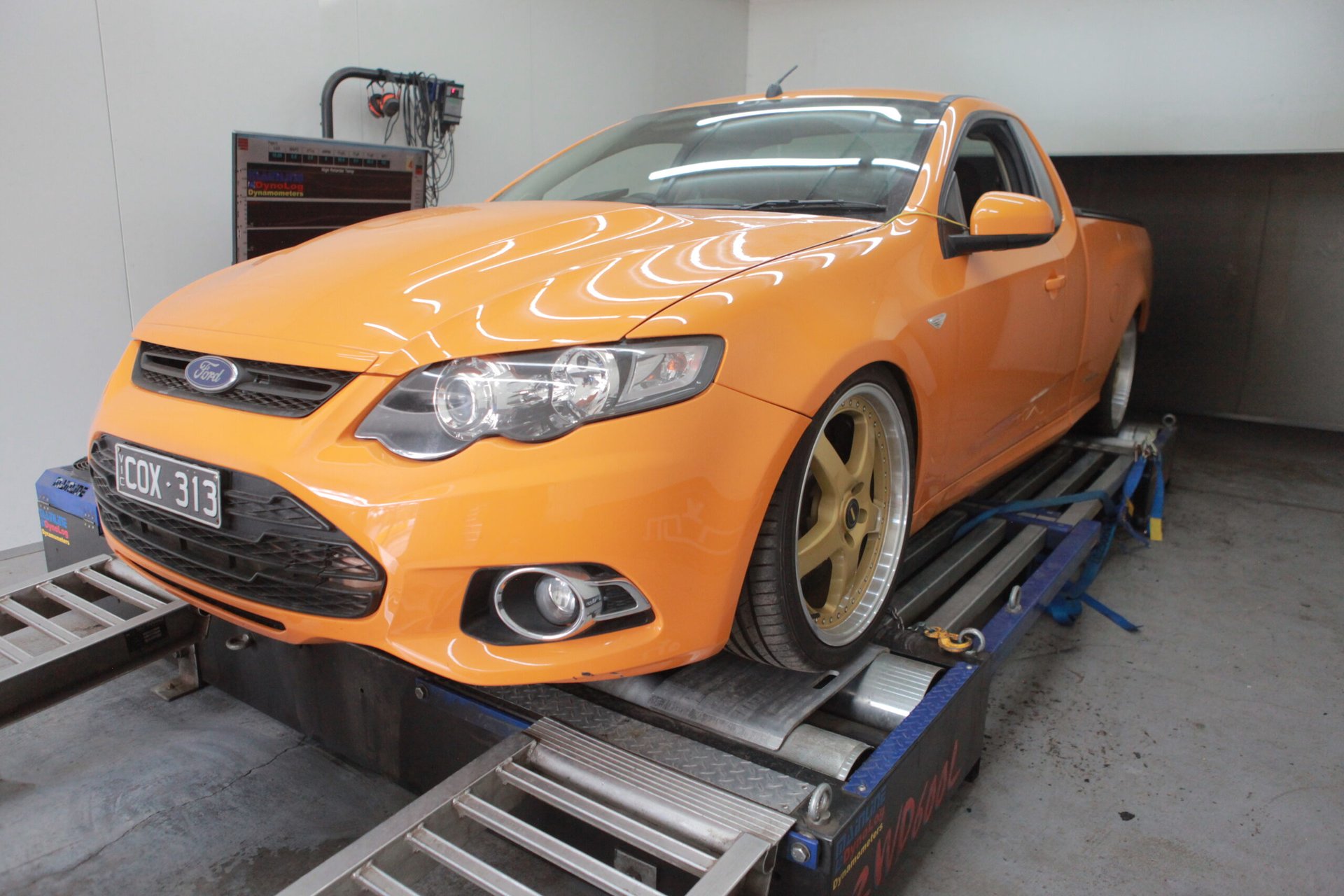
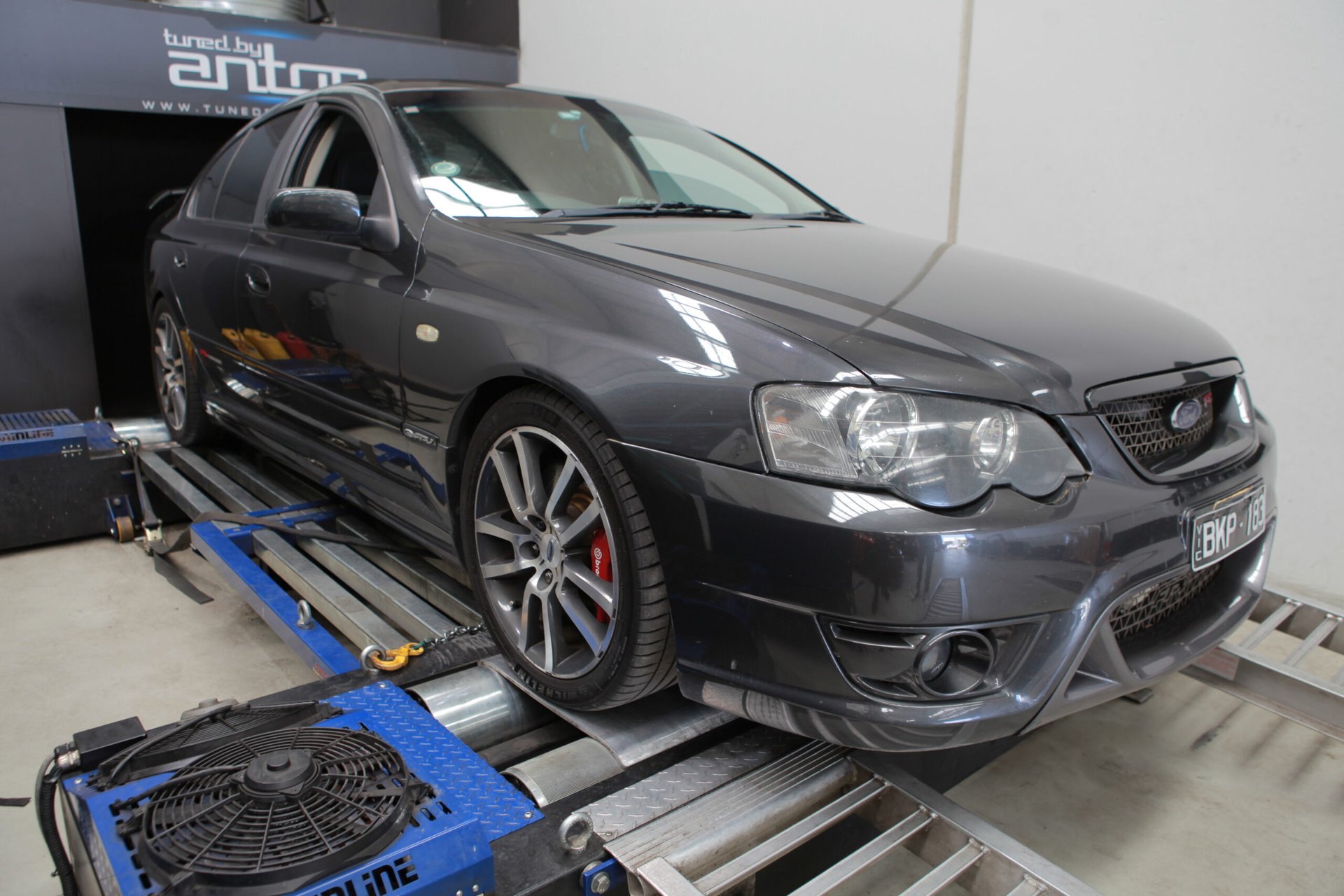
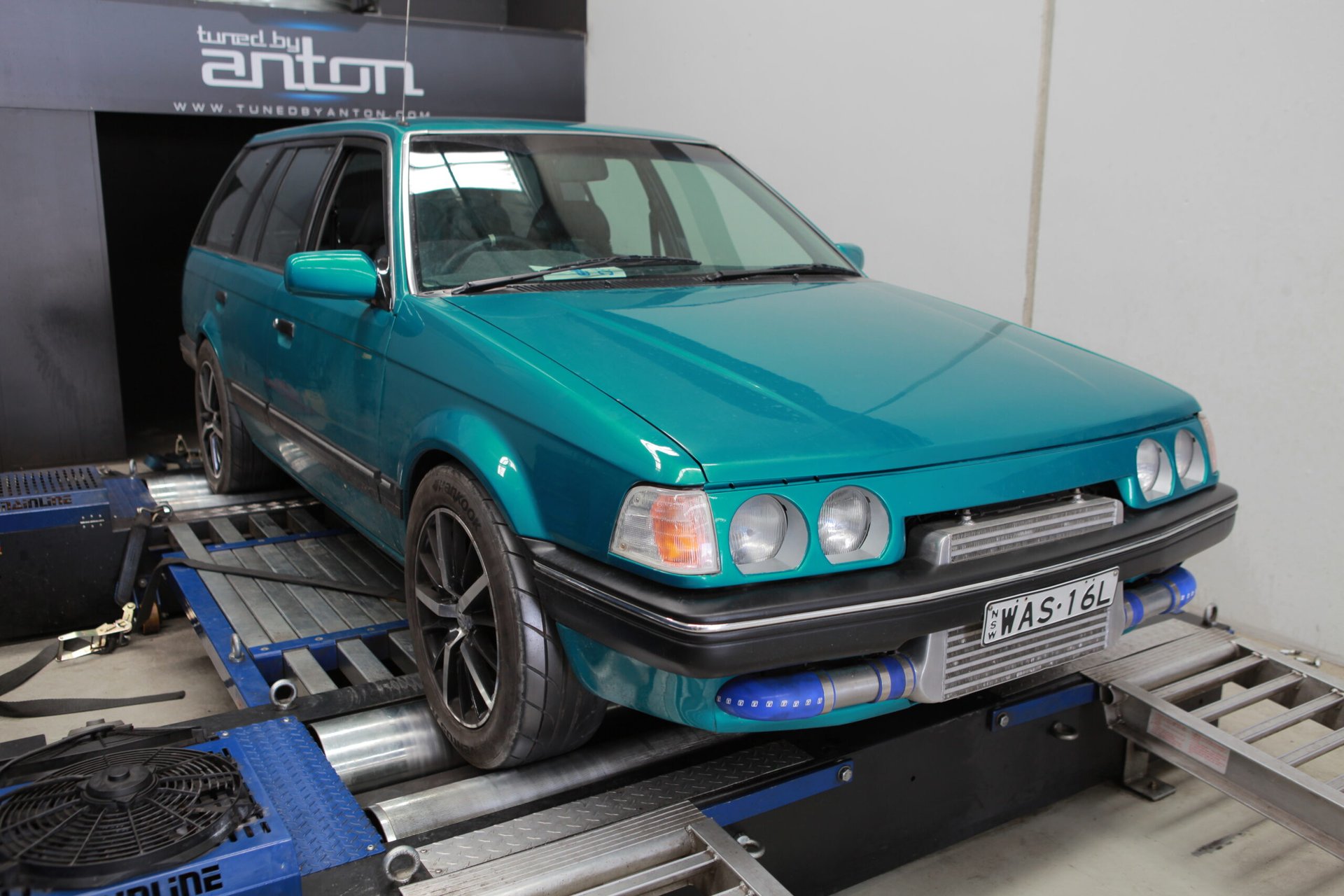
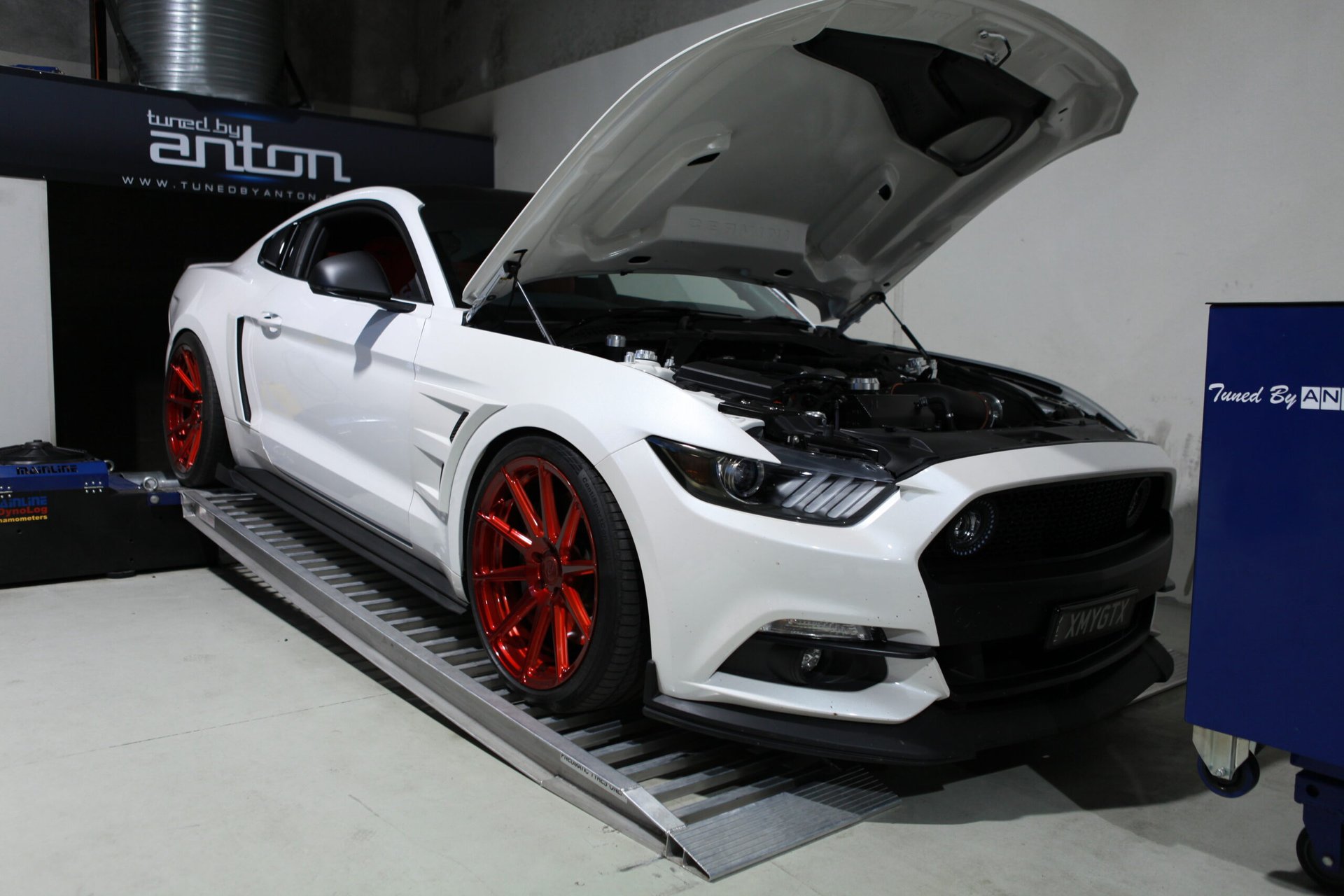
Models We Tune
Popular Ford Models We Tune.
From Ranger diesel tunes to Mustang GT E85 conversions and Focus ST stage builds: we have hands-on dyno experience with every Ford platform listed here.
GET A QUOTE →Platform Overview
Tuning the Ford Platform.
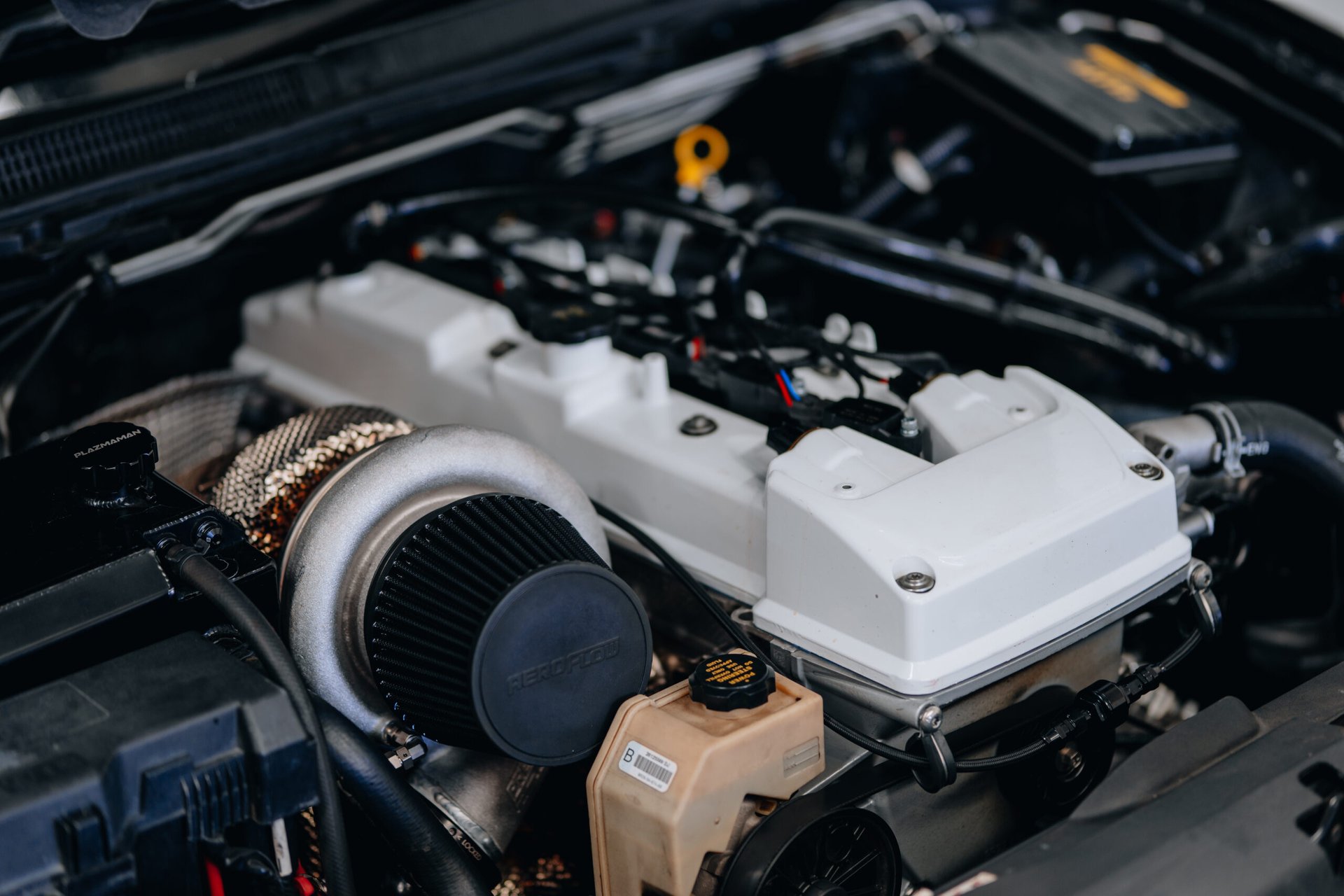
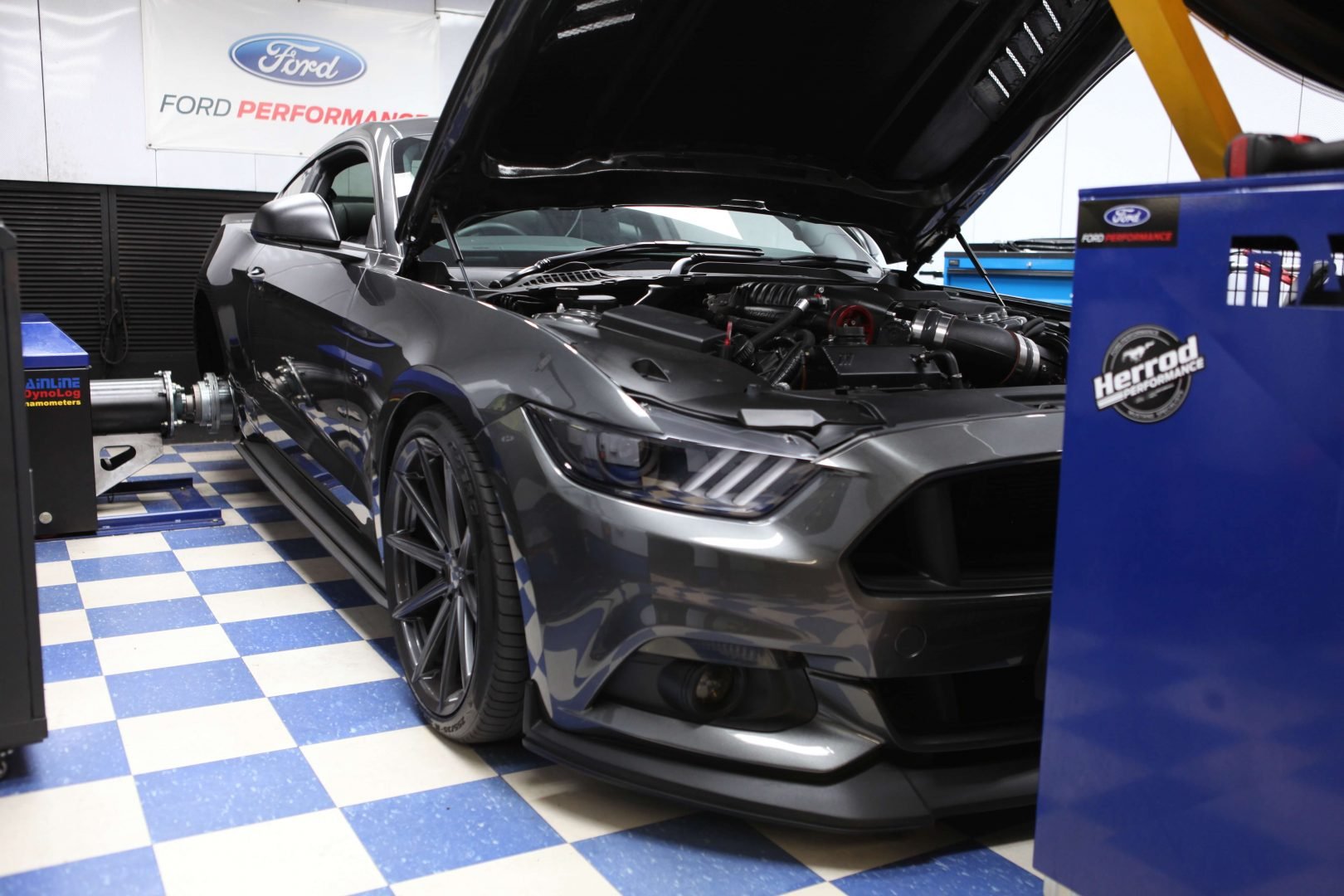
Ford's Australian tuning market divides clearly between petrol and diesel. On the petrol side, the 2.3L EcoBoost four-cylinder in the Mustang EcoBoost and Focus RS is a genuinely potent turbocharged platform; the Focus RS and Mustang EcoBoost share the same block but run very different factory calibrations, and both have meaningful software headroom before the turbocharger becomes a limitation. The Mustang GT's Coyote 5.0L V8 is naturally aspirated, which means ECU gains alone are modest but noticeable (improved throttle response, revised rev limits, better combustion efficiency). The real gains on a Coyote come from a supercharger or cam package paired with a custom tune.
The bigger volume story in Australia is the Ford Ranger diesel. The 2.0L bi-turbo EcoBlue in the PX3 Ranger and Ranger Raptor uses a sequential twin-turbocharger arrangement (a low-pressure and a high-pressure unit working in tandem) that the factory ECU manages conservatively for Euro 6 emissions compliance and broad market durability. A properly calibrated bi-turbo Ranger raises torque delivery in the critical 1500–3000 RPM towing range, improves turbo spooling between stages, and removes smoke limiters that cut power under load. The difference in driveability, particularly under a load or towing, is immediately noticeable.
The older 3.2L Puma TDCi five-cylinder in the PX1/PX2 Ranger is a fundamentally simpler diesel: a single large turbo, common-rail injection, straightforward ECU architecture. It responds well to remapping and has a long development history. Unlike a generic off-the-shelf diesel tune, a custom Mainline dyno tune on any Ranger diesel verifies exhaust gas temperatures under load to keep EGTs in a safe range for towing, something a static map can never guarantee.
Typical At-Wheel Figures
Real Numbers. Mainline AWD.
At-wheel kW on 98 RON unless noted. Representative of results in our Epping workshop, though your car may vary.
| Engine / Models | Factory | Stage 1 | Stage 2 |
|---|---|---|---|
2.3L EcoBoost98 RON Mustang EcoBoost FM/FN, Focus RS LZ | ~185 kW | ~238 kW | ~278 kW |
Focus RS and Mustang EcoBoost tuned differently despite sharing the block. Mountune parts well supported. | |||
5.0L Coyote V898 RON Mustang GT S550, FPV GT | ~310 kW | ~335 kW | — |
Naturally aspirated: ECU gains modest. Supercharger (Whipple, Vortech) with custom tune is the real step change. | |||
2.0L EcoBlue Bi-TurboDiesel Ranger PX3, Ranger Raptor PX3 | ~145 kW | ~188 kW | ~215 kW |
Sequential twin-turbo: tune improves turbo transition and towing torque significantly. | |||
3.2L Puma TDCiDiesel Ranger PX1/PX2 Wildtrak, XLT | ~130 kW | ~168 kW | ~190 kW |
Simple single-turbo architecture. Well-understood ECU. EGT monitoring recommended for sustained towing. | |||
Parts & Accessories
Ford Tuning Parts & Accessories.
Ford-specific performance hardware, sourced and fitted in-house.
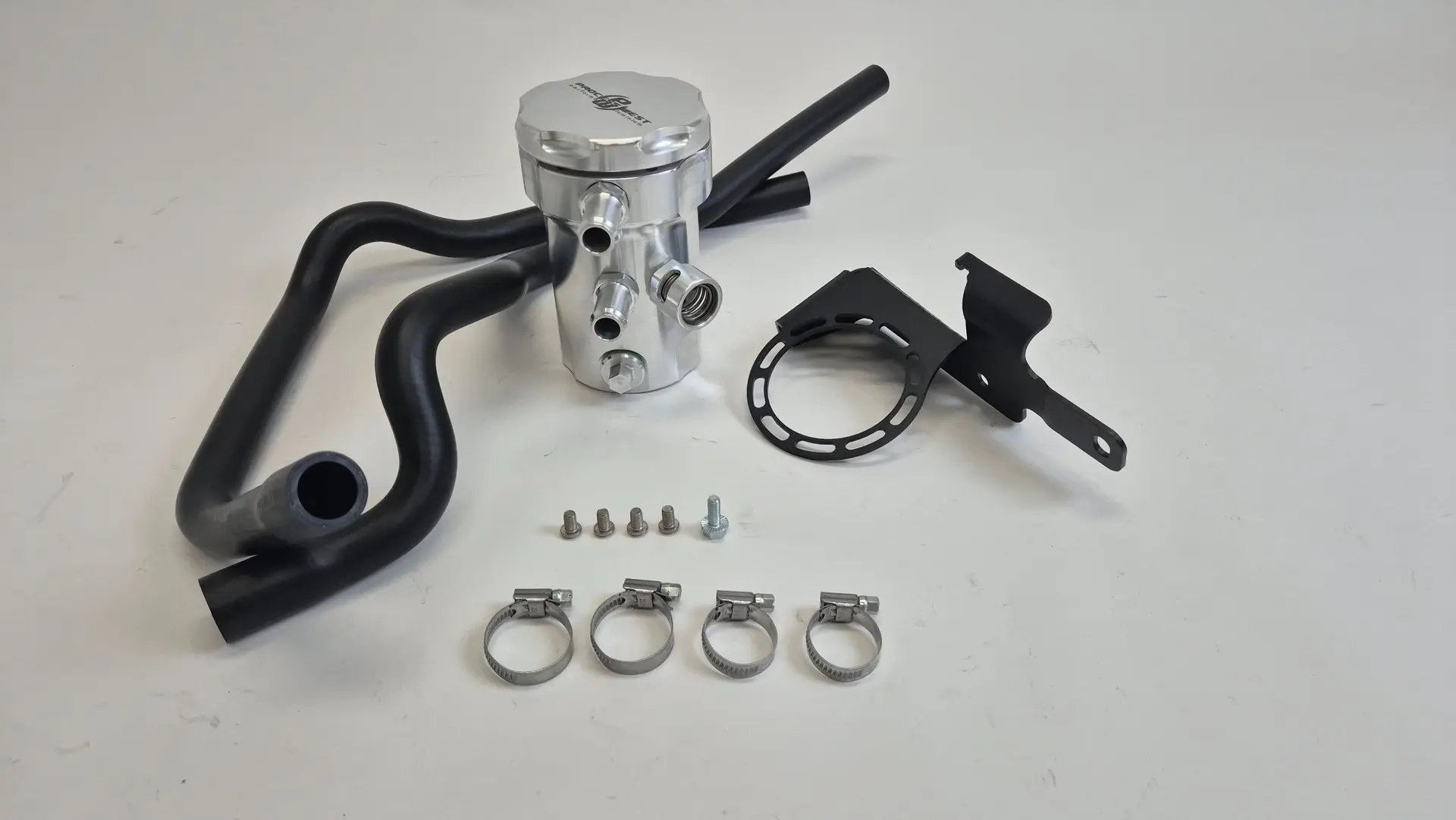
SEPR8R Air OIil Separator - 2022+ Ranger PY/VW Amarok V6 Diesel
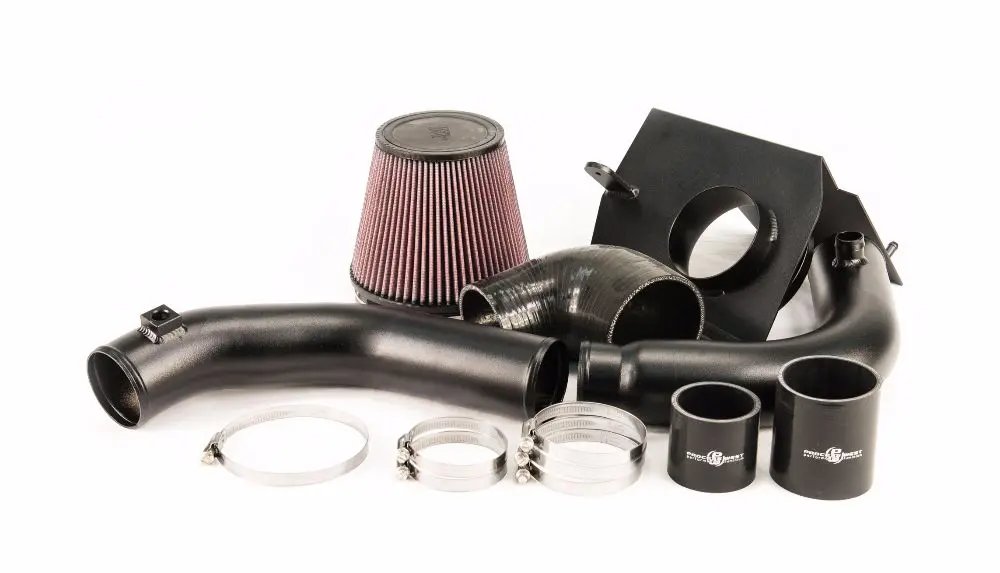
Process West Cold Air Intake (suits Ford 15 - 18 Focus ST)
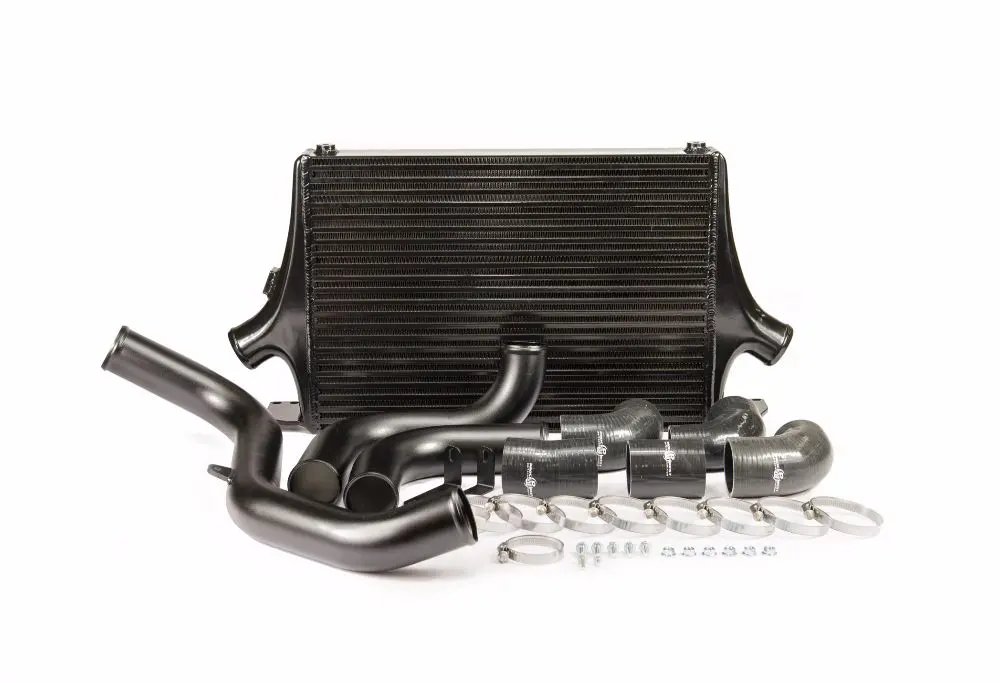
Process West Intercooler Upgrade (suits Ford Focus ST) - Black
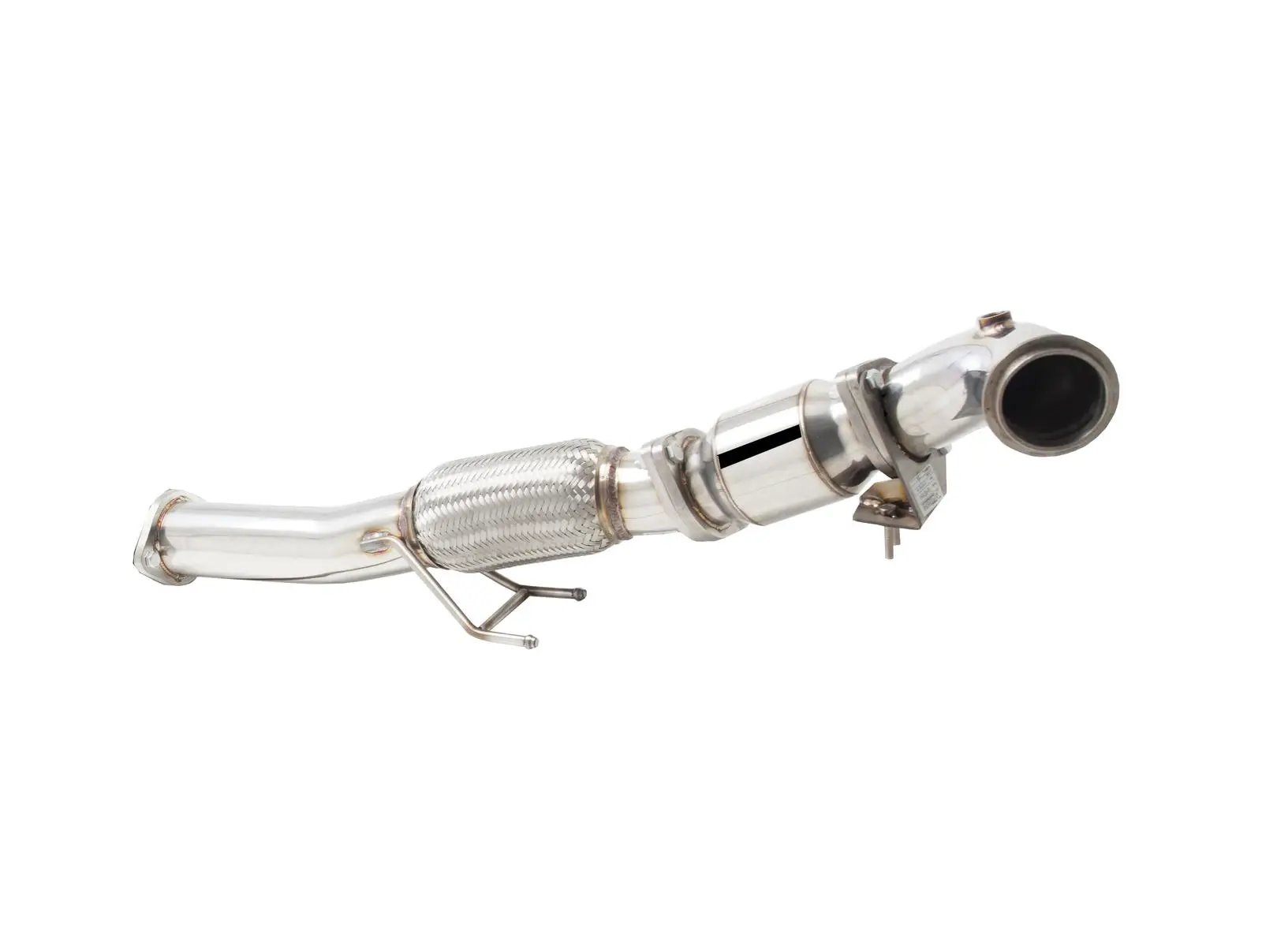
Xforce Ford Focus ST Down Pipe Kit
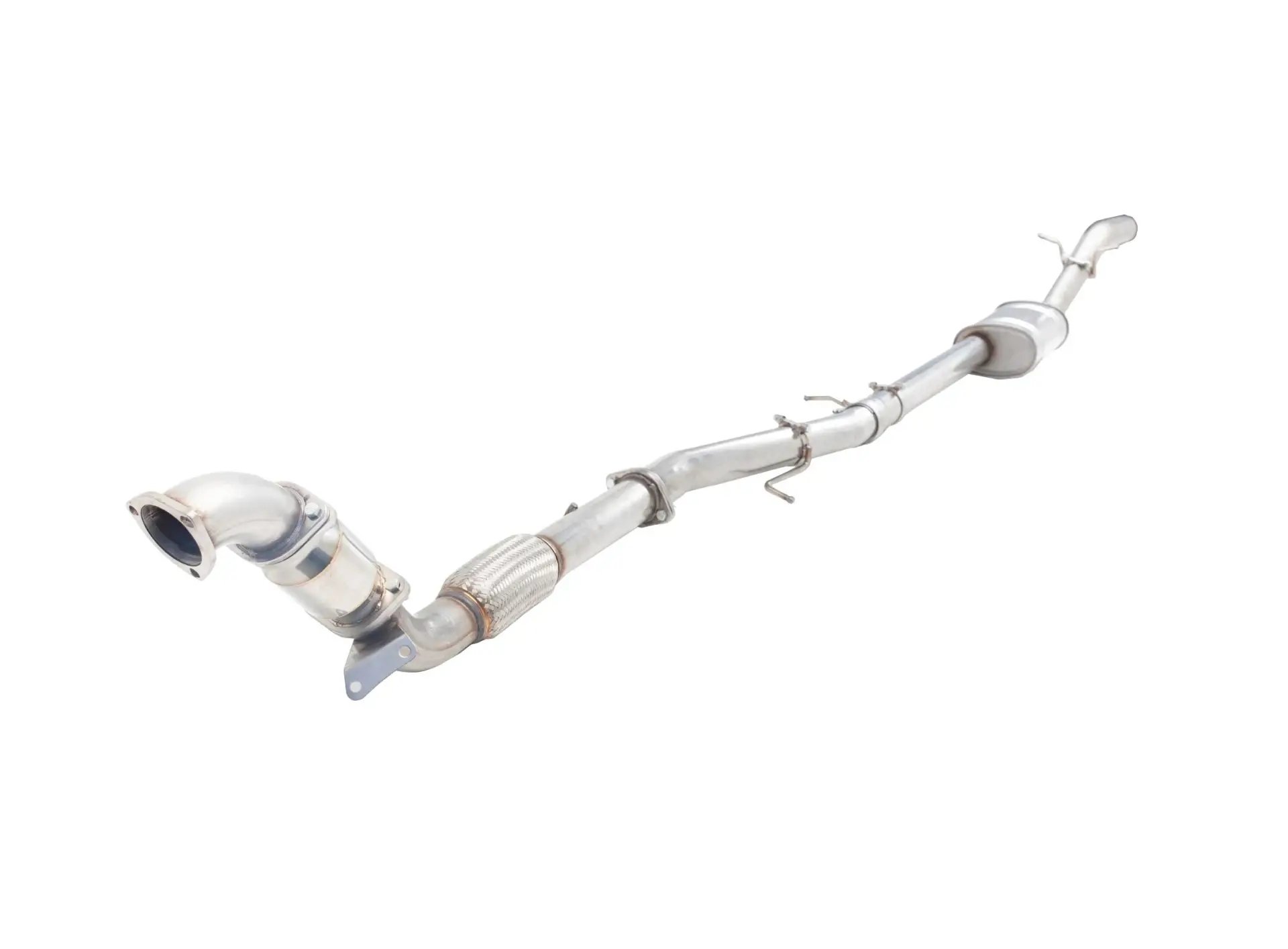
Xforce Turbo Back System with High Flow Cat - Ford Ranger PX - Mazda BT50
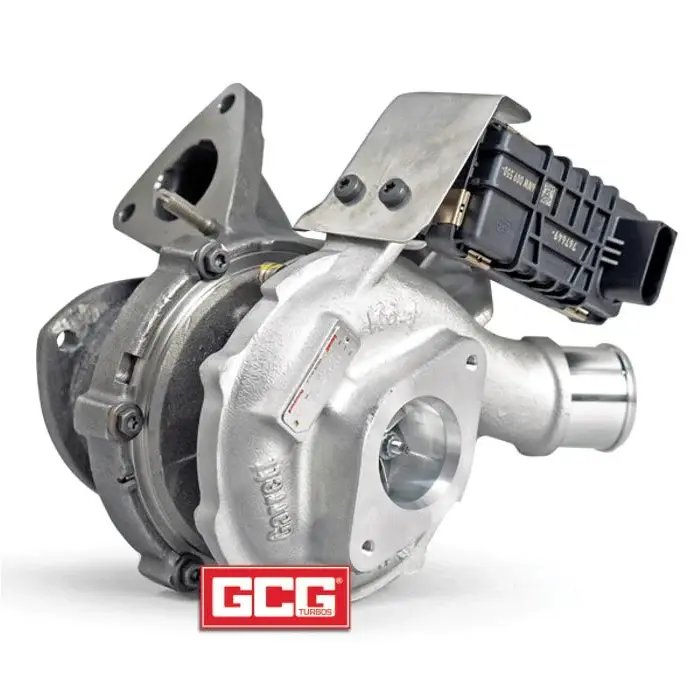
GCG TDX GTD2056V Turbo Upgrade Ford Ranger PX2 PX3 / Everest 3.2L 2015-2021 FB3Q6K382PC
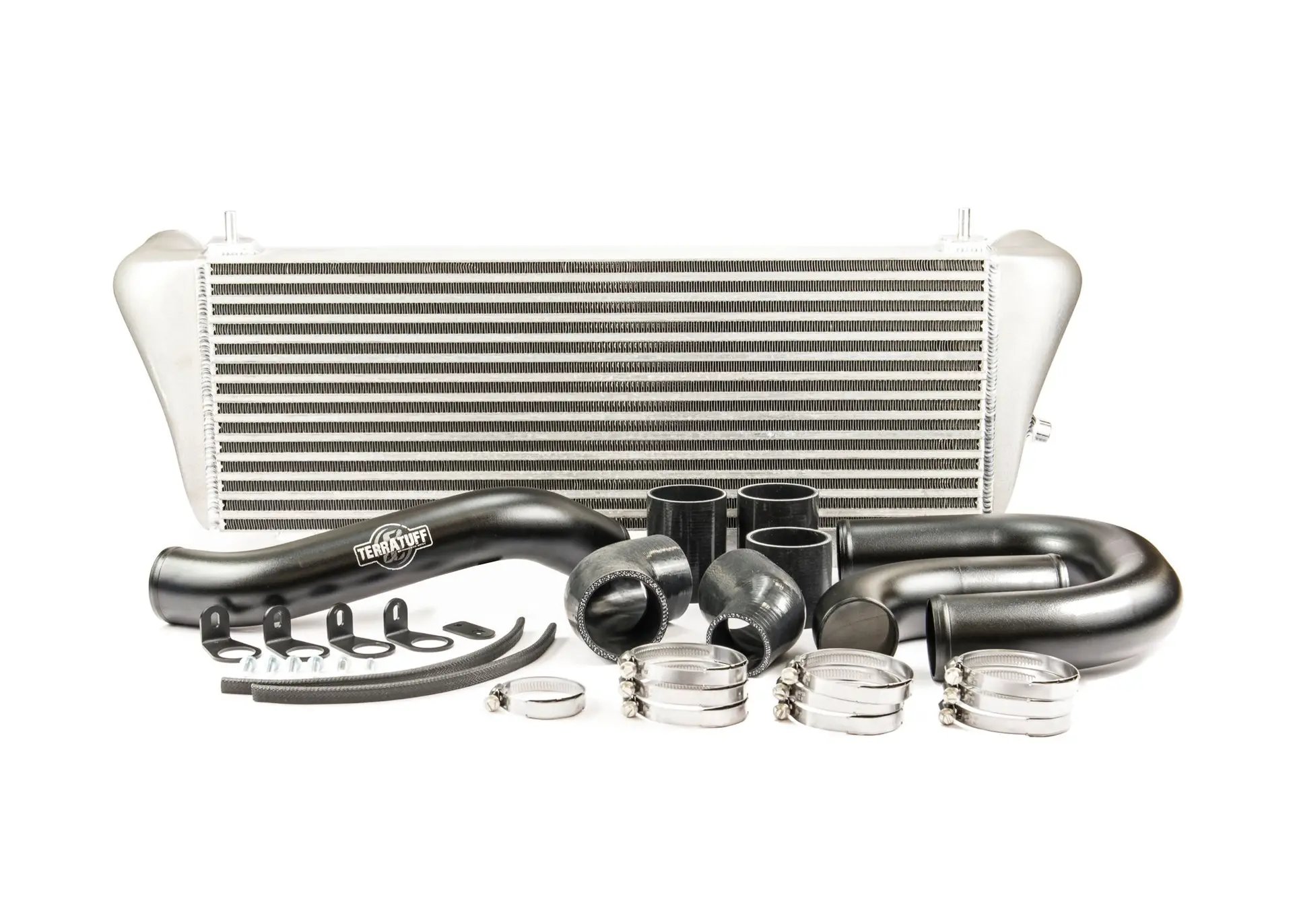
Process West Intercooler Kit | Ford PX1/PX2/PX3 Ranger & Mazda BT50
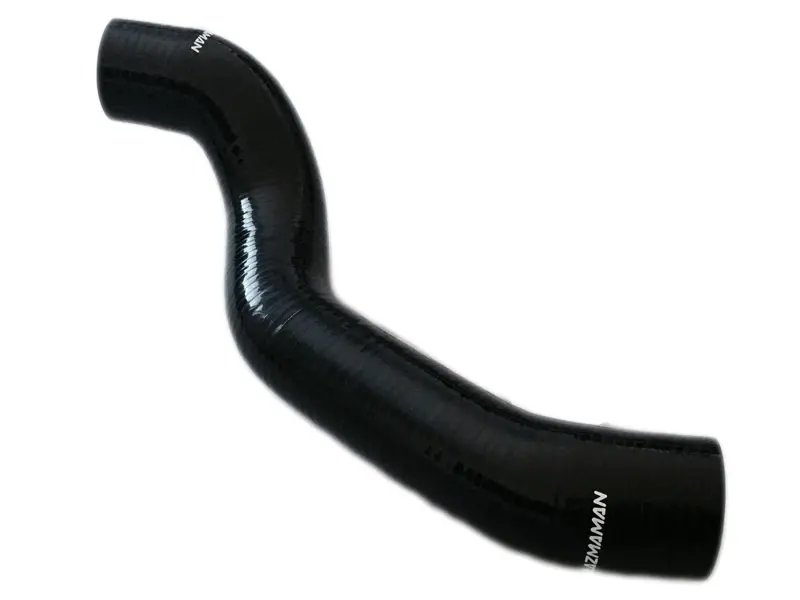
Plazmaman Cold Side Silicone Hose - Ford Ranger PX & Mazda BT-50 3.2L
Ford Tuning FAQs
Common Questions.
What ECU platforms do you tune Ford on?
Ford work in our workshop runs on Haltech, Link ECU and Emtron. Every calibration — factory ECU remap or standalone engine management — is developed on our in-house Mainline AWD dyno rather than loaded from an off-the-shelf file.
How much power can a Ford Ranger 2.0L bi-turbo diesel gain from a tune?
A stock Ranger PX3 2.0L bi-turbo makes approximately 145kW at the wheels. A custom ECU tune on our Mainline dyno typically takes this to 185–215kW depending on supporting modifications. More importantly, the torque improvement in the 1500–3000 RPM range (where the Ranger actually operates under load) is substantial, and the transition between the low-pressure and high-pressure turbos becomes smoother. Most Ranger owners report the improvement is felt more in daily driveability and towing than in peak power figures.
What does an ECU tune do to a Mustang EcoBoost?
The 2.3L EcoBoost Mustang tune raises boost pressure, advances ignition timing, increases fuel delivery limits, and removes factory torque restrictions. On a stock car on 98 RON, this takes the car from approximately 185kW to 235–240kW at the wheels on our Mainline dyno. The improvement is felt most in mid-range throttle response: the factory Mustang EcoBoost has a noticeable flat spot around 2500–3500 RPM that a proper calibration removes. A Stage 2 with intake and downpipe takes this further.
Is the Mustang GT Coyote V8 worth tuning?
The Coyote 5.0L is naturally aspirated, so ECU tuning alone adds 20–30kW at the wheels, noticeable but not dramatic. The real value of tuning a Coyote is in throttle response, rev limiter adjustment, and optimising the calibration for 98 RON specifically. For significant power gains, a supercharger kit (Whipple, Procharger, Vortech) combined with a custom tune on our dyno is the natural next step. Coyote supercharger kits are well-supported, and our dyno work with Coyote V8s includes both NA and forced induction builds.
What's the difference between a generic diesel tune and a Mainline dyno tune on a Ranger?
A generic or off-the-shelf diesel tune is a fixed calibration built for a theoretical average Ranger; it doesn't account for your actual turbo health, injector condition, air filter restriction, or the fuel quality at your local servo. A custom dyno tune on our Mainline dynamometer develops the calibration on your specific vehicle, with live exhaust gas temperature (EGT) monitoring throughout the pull to verify safe combustion under full load. This matters most for towing applications where sustained high-load operation is the norm.
Does tuning a Ranger diesel affect towing reliability?
A well-calibrated diesel tune on a Ranger is not harder on the engine than factory operation, and in some cases it's safer, because it removes the factory's wide-tolerance mass-market calibration in favour of one developed for your specific drivetrain. The key is EGT management: our custom tunes include verifying exhaust gas temperatures under simulated load on the dyno, and the calibration is set to maintain safe EGTs under sustained towing. A generic plug-in tune with no dyno verification cannot provide this assurance.