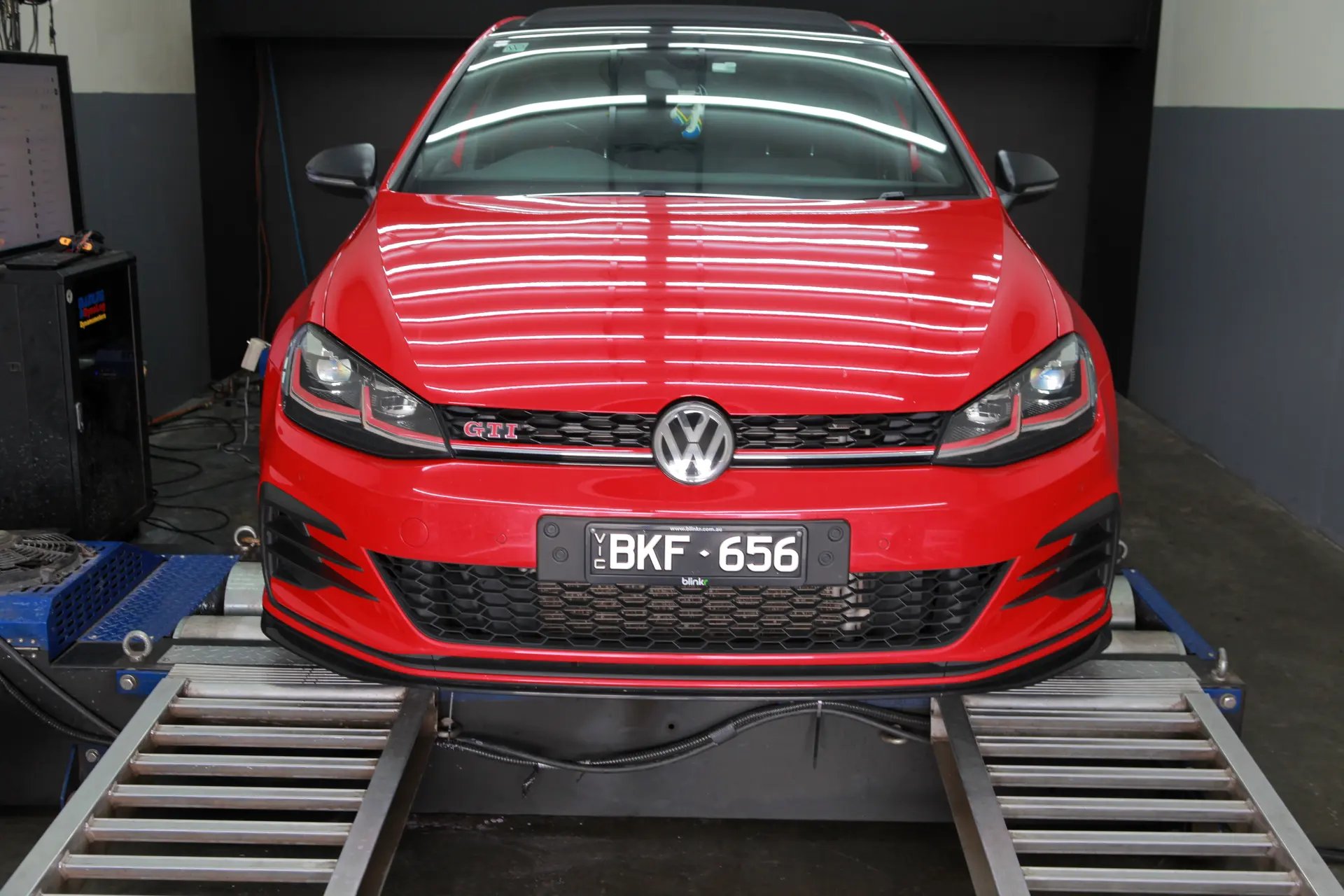
Volkswagen Tuning Melbourne
Golf GTI, Golf R, Polo GTI, Tiguan R and Amarok: MQB and PQ35 platforms from Stage 1 ECU remaps to full DSG TCU tuning. ECUTEK, APR, Unitronic and custom maps available.
Volkswagen Dyno Results
Your Volkswagen Dyno Tuning Specialists.
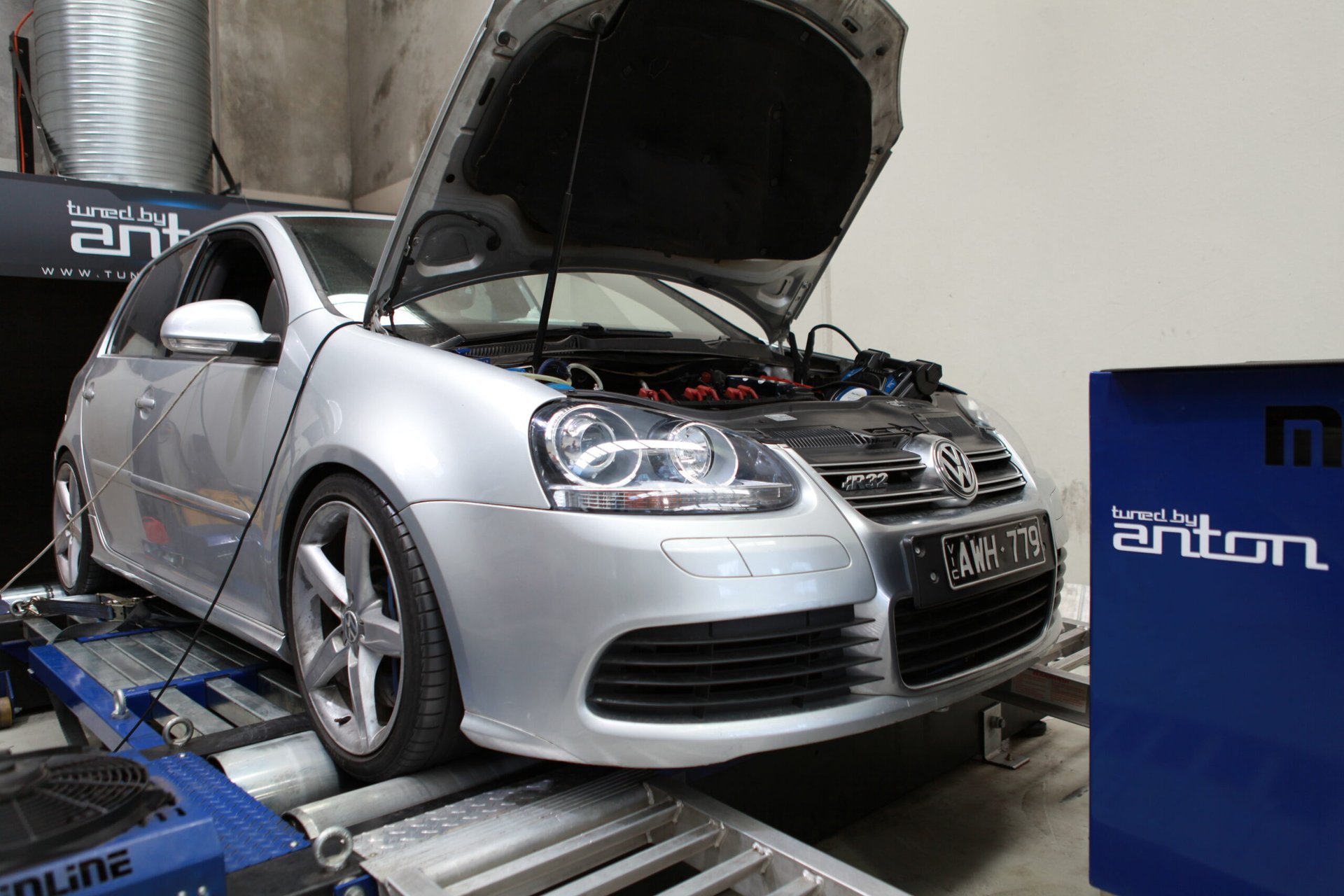
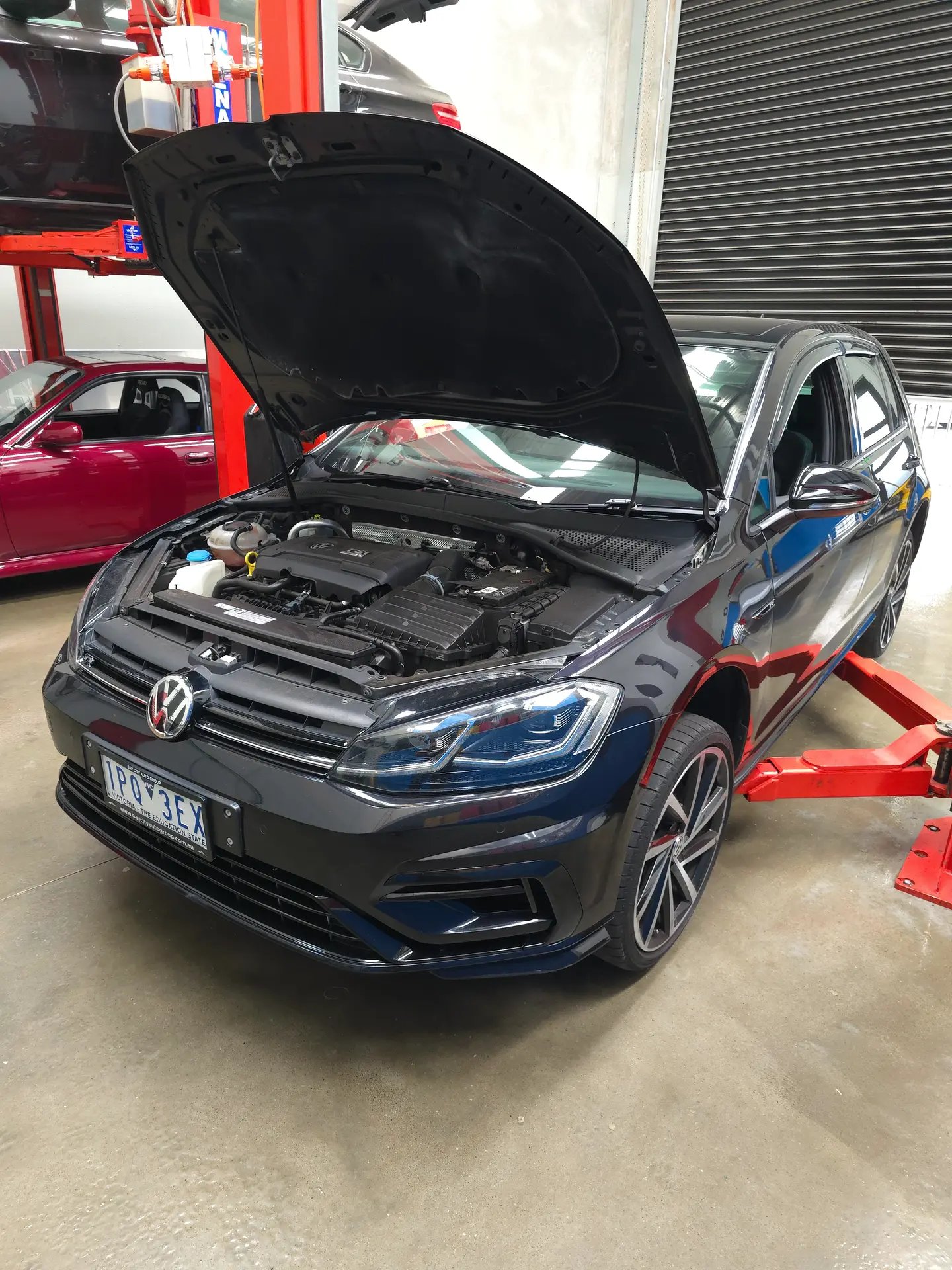
Volkswagen Golf R MK7.5R Stage 2 Performance Package
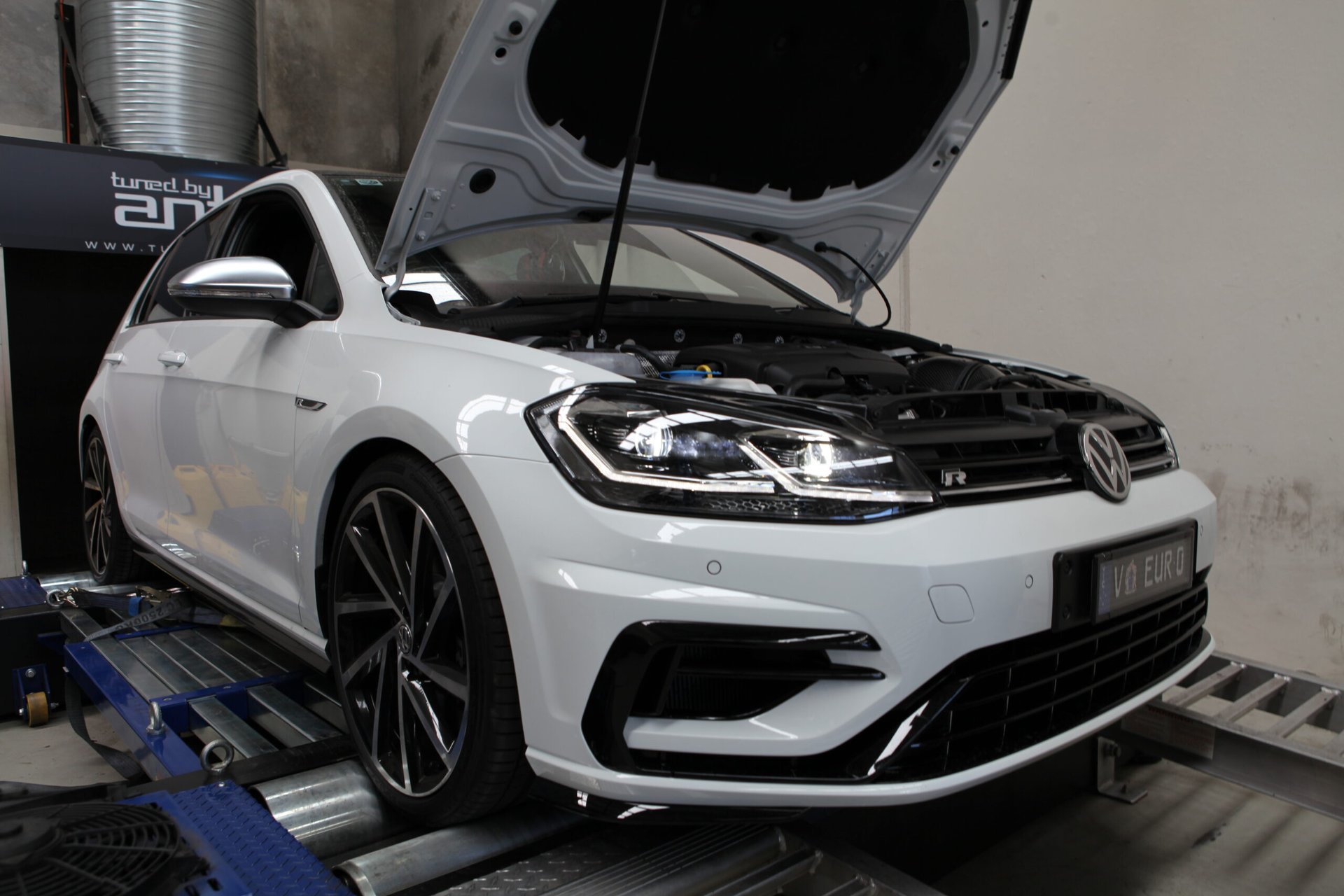
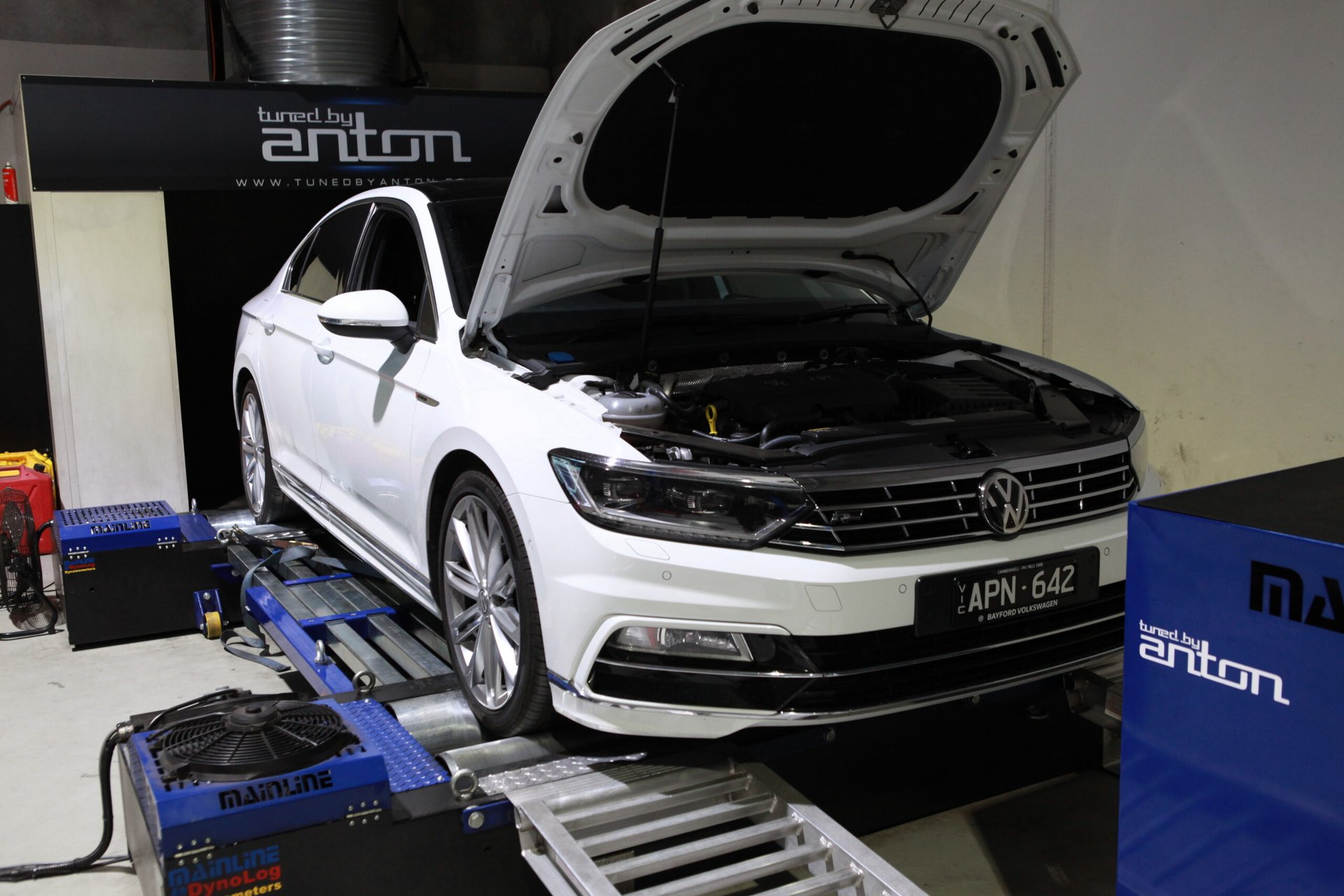
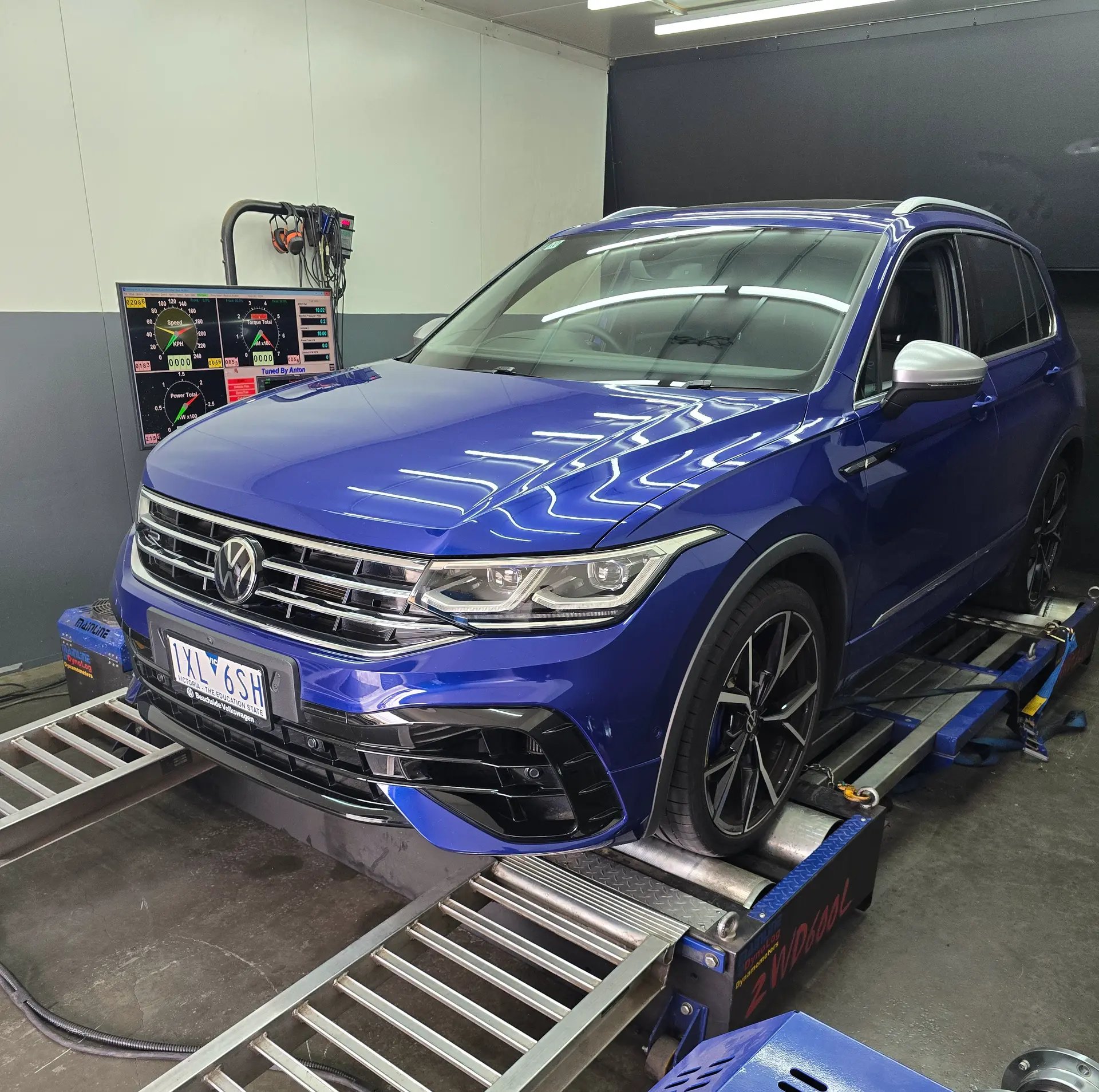
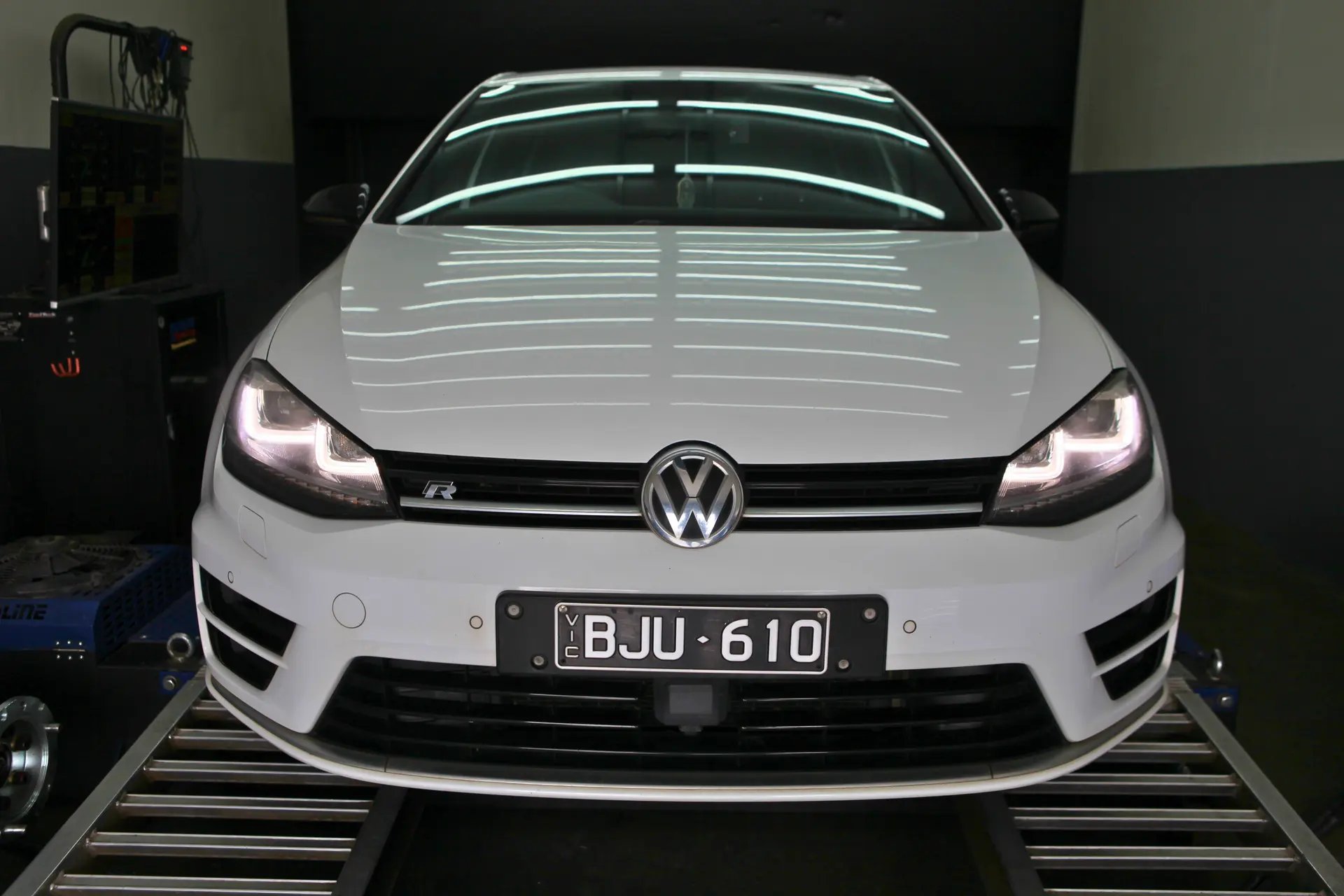
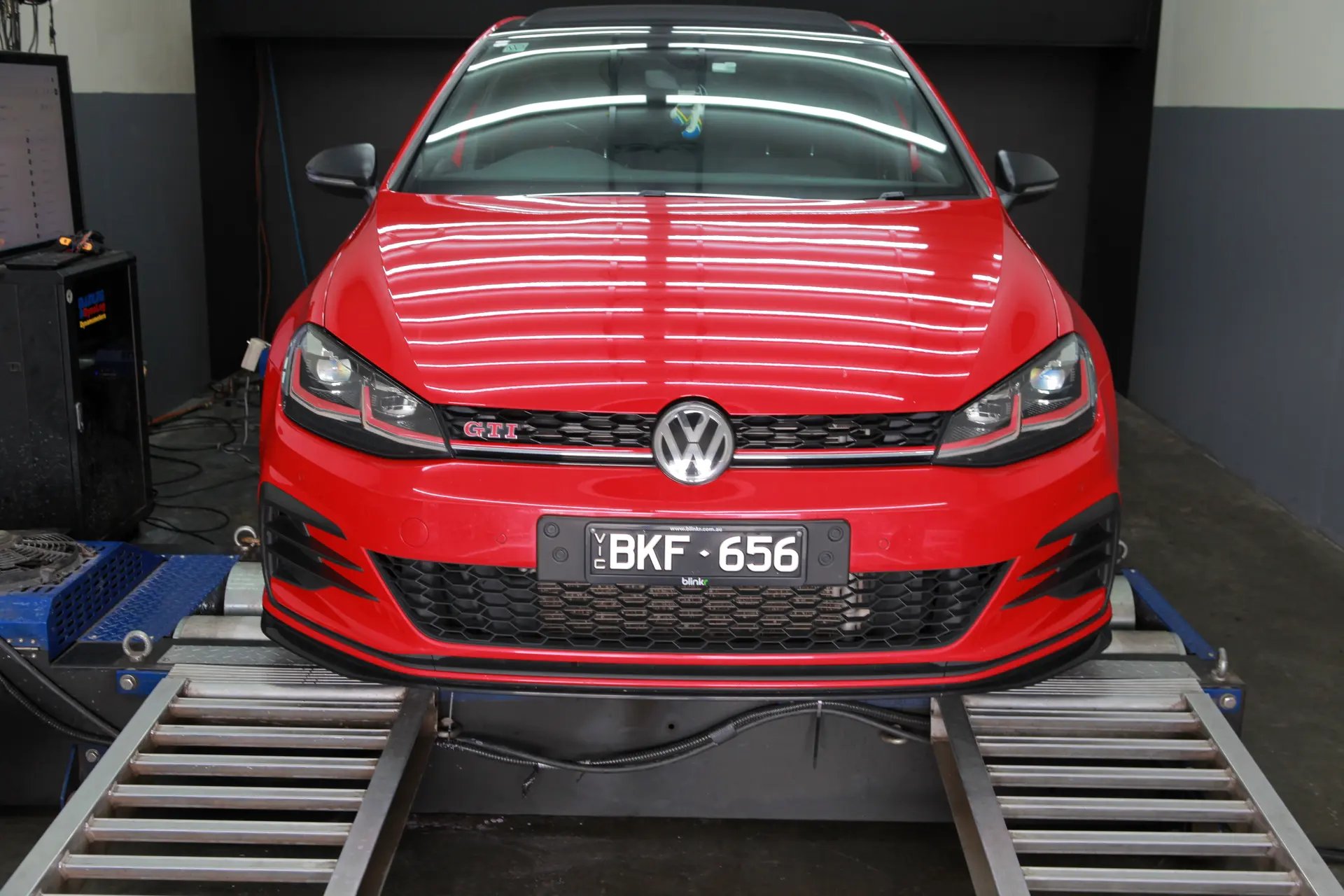
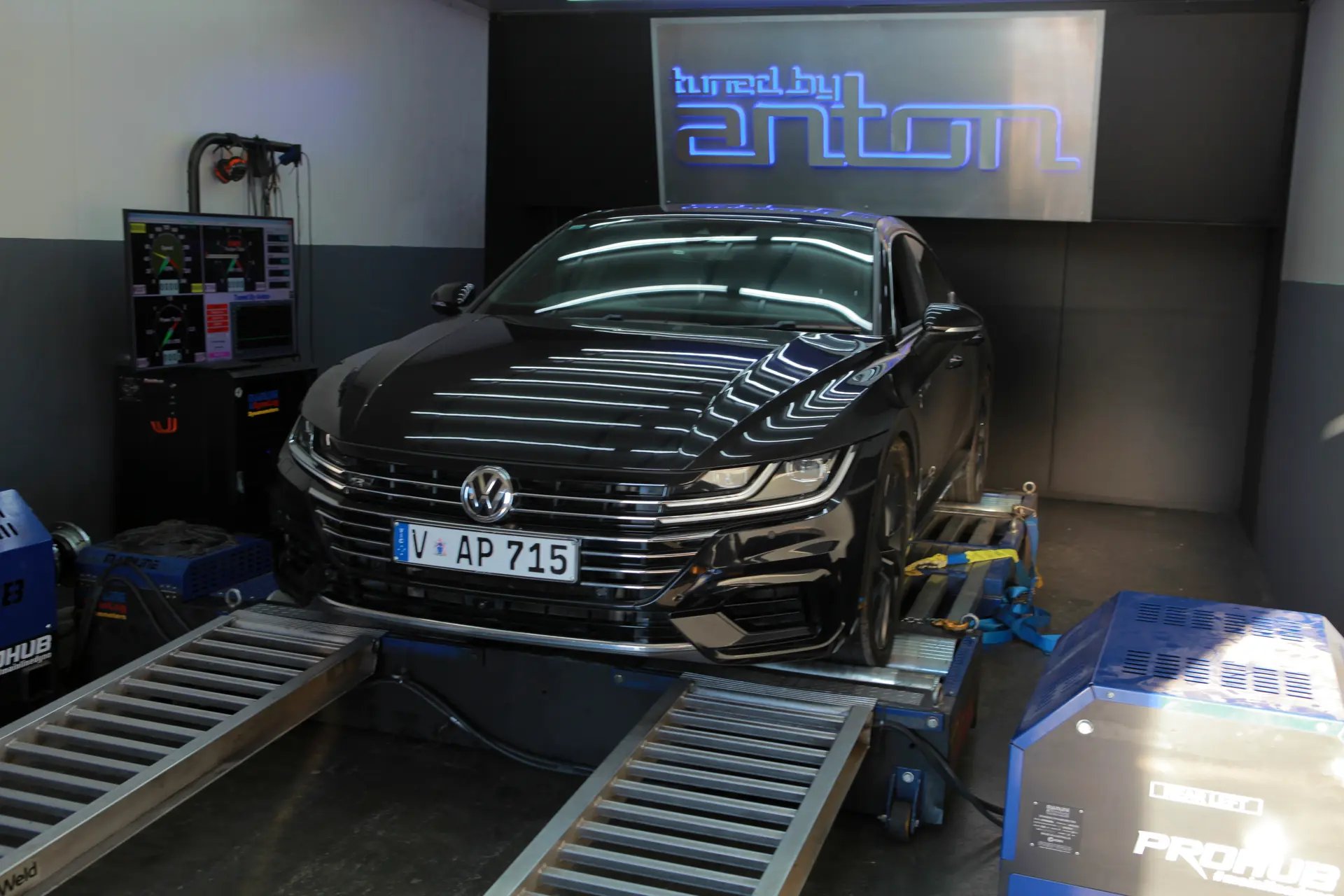
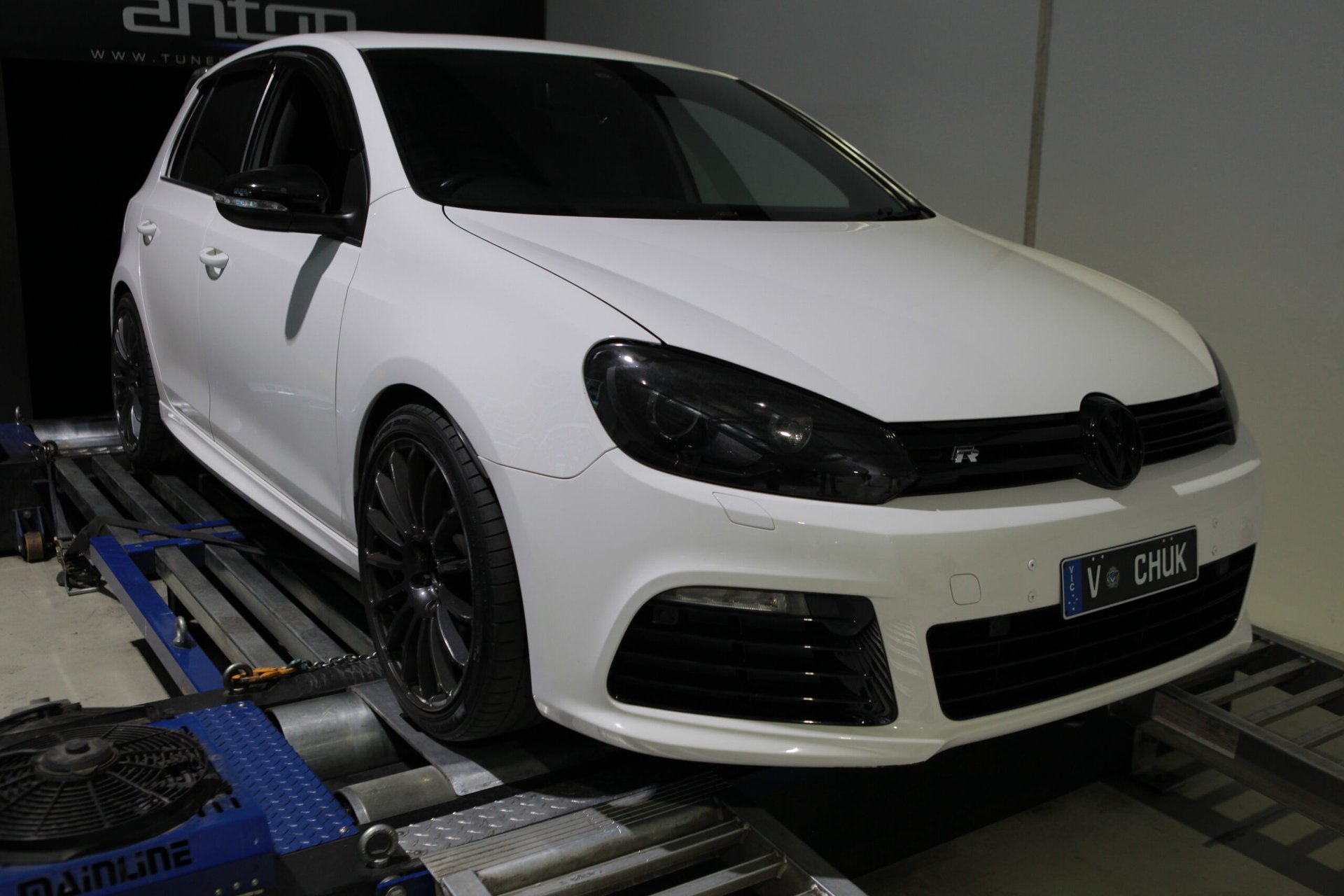
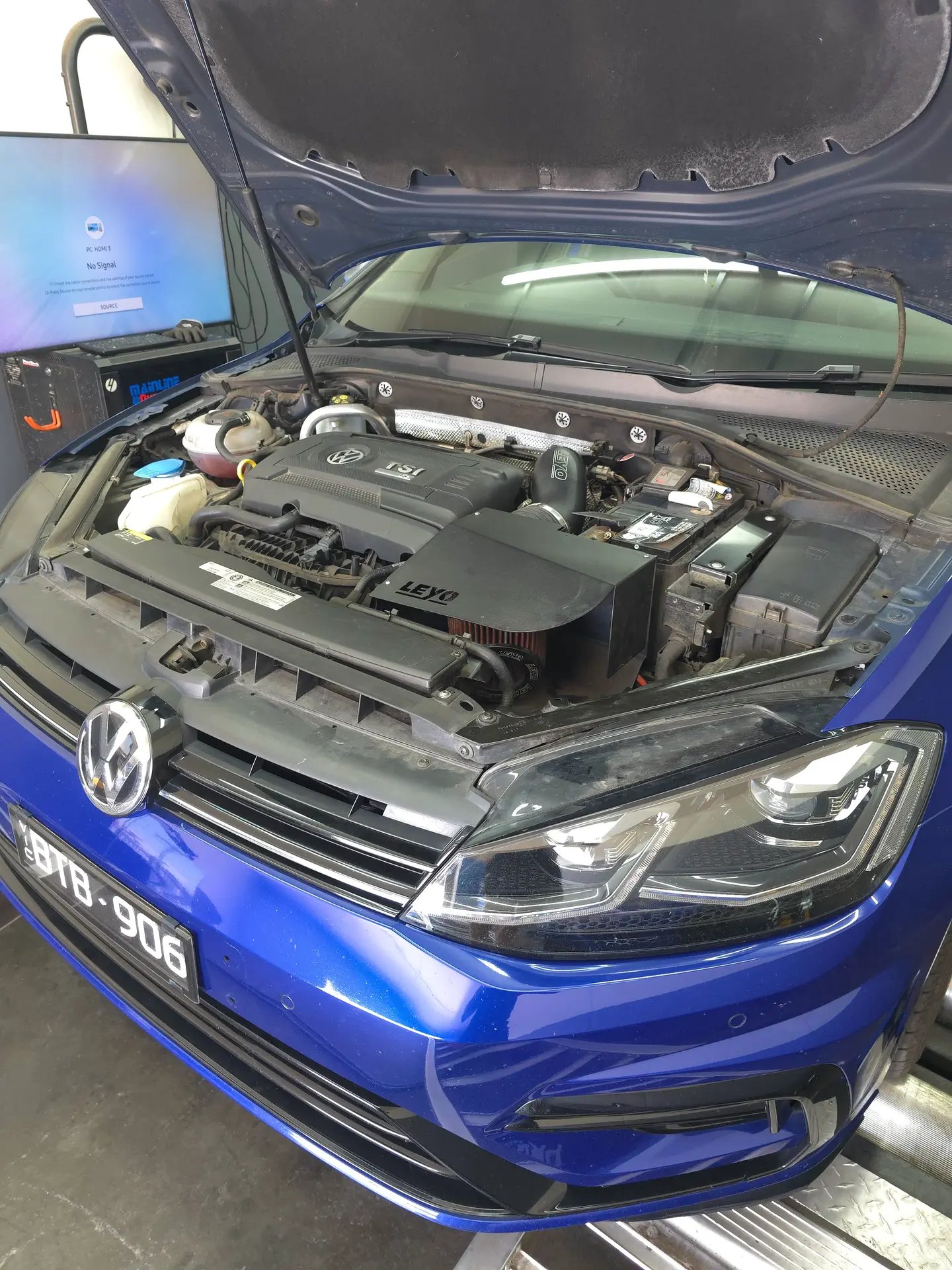
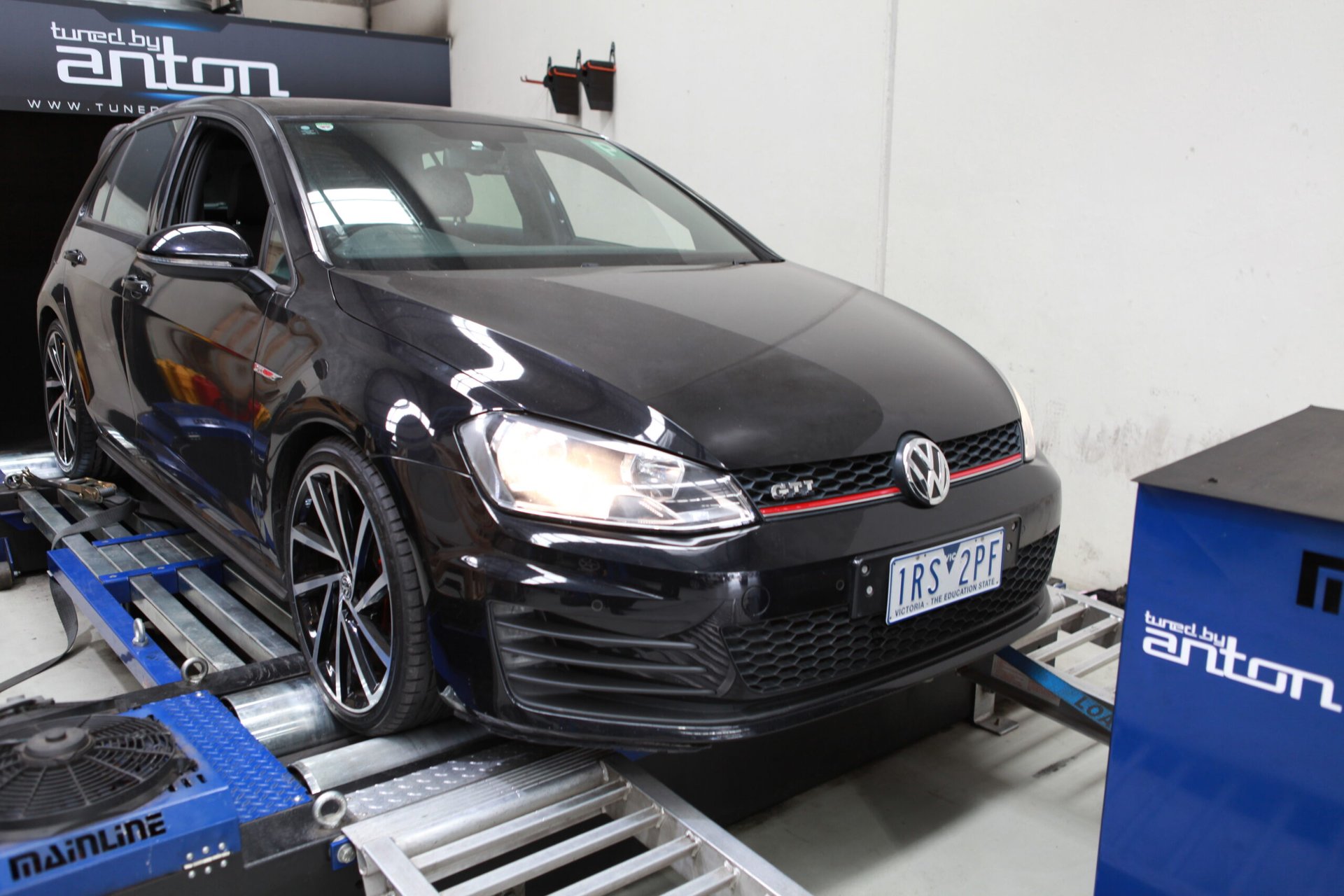
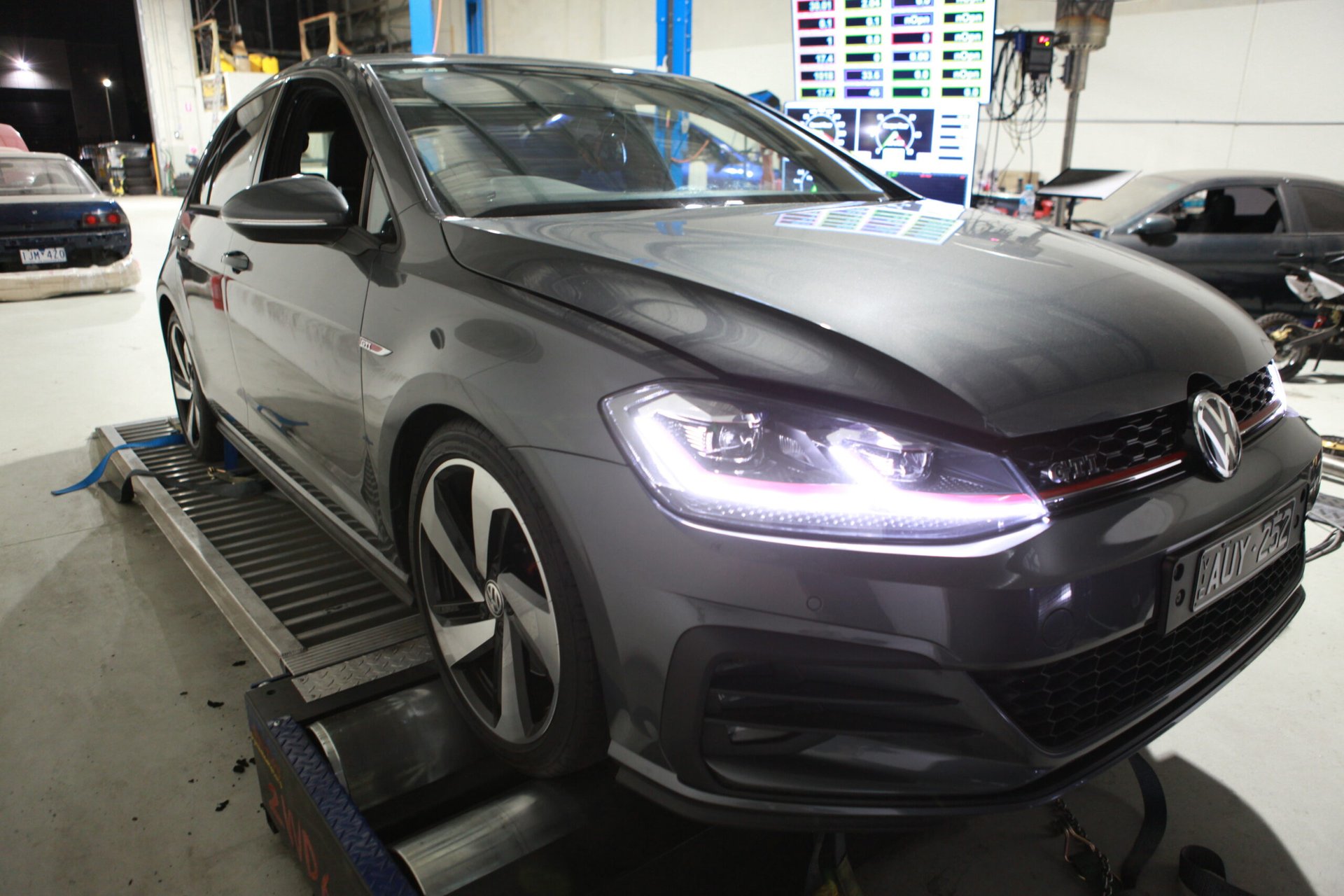
Models We Tune
Popular Volkswagen Models We Tune.
MQB and PQ35 platforms from Stage 1 ECU remaps to full DSG TCU tuning: every Golf GTI, Golf R, Passat and Amarok generation we work with is listed here.
GET A QUOTE →Platform Overview
Tuning the Volkswagen Platform.
Volkswagen's EA888 four-cylinder turbocharged engine is the world's most widely tuned platform by volume. The shared architecture across Golf GTI, Golf R, Passat, Tiguan, and the broader VAG group (Audi A3/S3, Skoda Octavia RS, SEAT Leon) means a decade of development behind every calibration approach. The Mk7/7.5 Golf GTI uses the IS20 turbocharger and makes approximately 175kW at the wheels; a Stage 1 remap routinely delivers 220–230kW with no hardware changes. The Mk7/7.5 Golf R uses the larger IS38 and is even more rewarding: Stage 1 alone takes the car from ~220kW to 285–295kW at the wheels on our Mainline AWD dyno.
The Mk8 Golf GTI and Golf R use the EA888 Gen 3B, which introduced a more security-locked ECU architecture. Calibration requires specific tools and procedures, but the results are equally strong: the Mk8 Golf R Stage 1 regularly produces 315–330kW at the wheels. The DSG is essential to tune alongside any EA888 ECU work: the DQ250 in the GTI, DQ381 in the Golf R, and DQ500 in higher-output applications all have their own conservative factory calibrations with torque limits and shift strategies that actively fight the remapped engine. A Golf R with ECU-only tune but no DSG tune will shift slower, feel less responsive, and torque-limit during gear changes.
The Amarok V6 TDI is the most compelling diesel tuning story in the VW range for Australia. The 3.0L TDI V6 in the 2H/2HH generation Amarok uses a ZF8HP automatic paired with a platform that generates extraordinary low-end torque in stock form, and even more after a proper ECU remap. The factory calibration applies torque limits for drivetrain longevity and emissions compliance that a correctly developed tune removes. A properly mapped Amarok V6 TDI becomes one of the most effortless towing vehicles available at any price point.
Typical At-Wheel Figures
Real Numbers. Mainline AWD.
At-wheel kW on 98 RON unless noted. Representative of results in our Epping workshop, though your car may vary.
| Engine / Models | Factory | Stage 1 | Stage 2 |
|---|---|---|---|
EA888 Gen 3 IS2098 RON Golf GTI Mk7/7.5, Polo GTI AW | ~175 kW | ~225 kW | ~268 kW |
IS38 upgrade common at Stage 2. DQ250 DSG tune recommended alongside ECU. | |||
EA888 Gen 3 IS3898 RON Golf R Mk7/7.5, Tiguan R | ~220 kW | ~290 kW | ~335 kW |
DQ381 DSG tune essential. Large headroom at Stage 2 with intake, FMIC, downpipe. | |||
EA888 Gen 3B98 RON Golf GTI Mk8, Golf R Mk8 | ~225 kW | ~325 kW | — |
More locked ECU than Gen 3. DQ381 TCU tune required. Stage 1 gains are exceptional. | |||
EA839 3.0 TFSI V698 RON Touareg R CR7, Tiguan R (some) | ~265 kW | ~338 kW | — |
Twin-turbo V6. Strong gains, responsive platform. ZF8HP TCU tune pairs well. | |||
3.0 TDI V6Diesel Amarok V6 2H (TDI420/TDI440/TDI580) | ~195 kW | ~252 kW | ~290 kW |
One of the best towing tunes available. ZF8HP TCU tune dramatically improves the result. | |||
2.0 TDI EA288Diesel Golf Mk7, Tiguan, Passat, Amarok 2H | ~120 kW | ~158 kW | — |
Modern common-rail 4-cyl diesel. Reliable gains. DPF-equipped: work with existing system. | |||
Parts & Accessories
Volkswagen Tuning Parts & Accessories.
Volkswagen-specific performance hardware, sourced and fitted in-house.
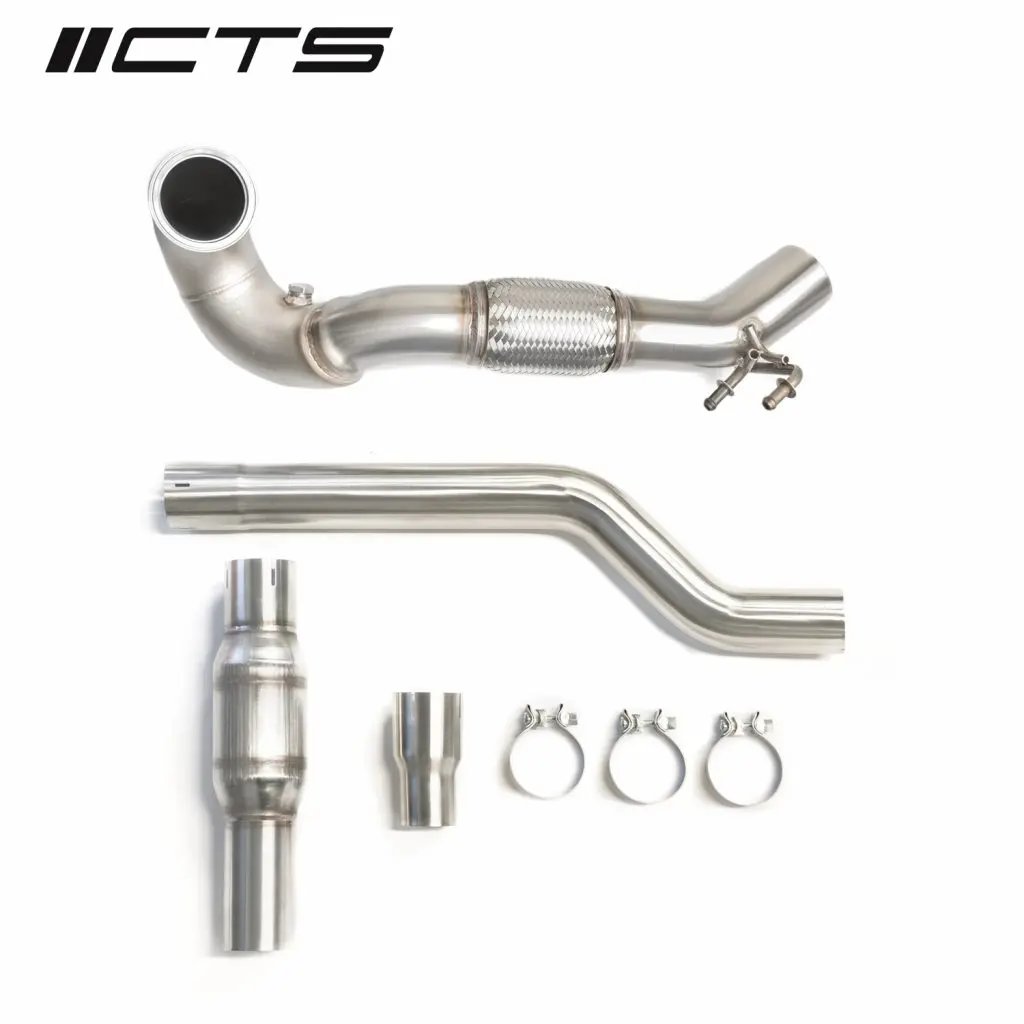
CTS Turbo MQB VW Tiguan and Audi Q3 AWD 1.8T/2.0T Downpipe
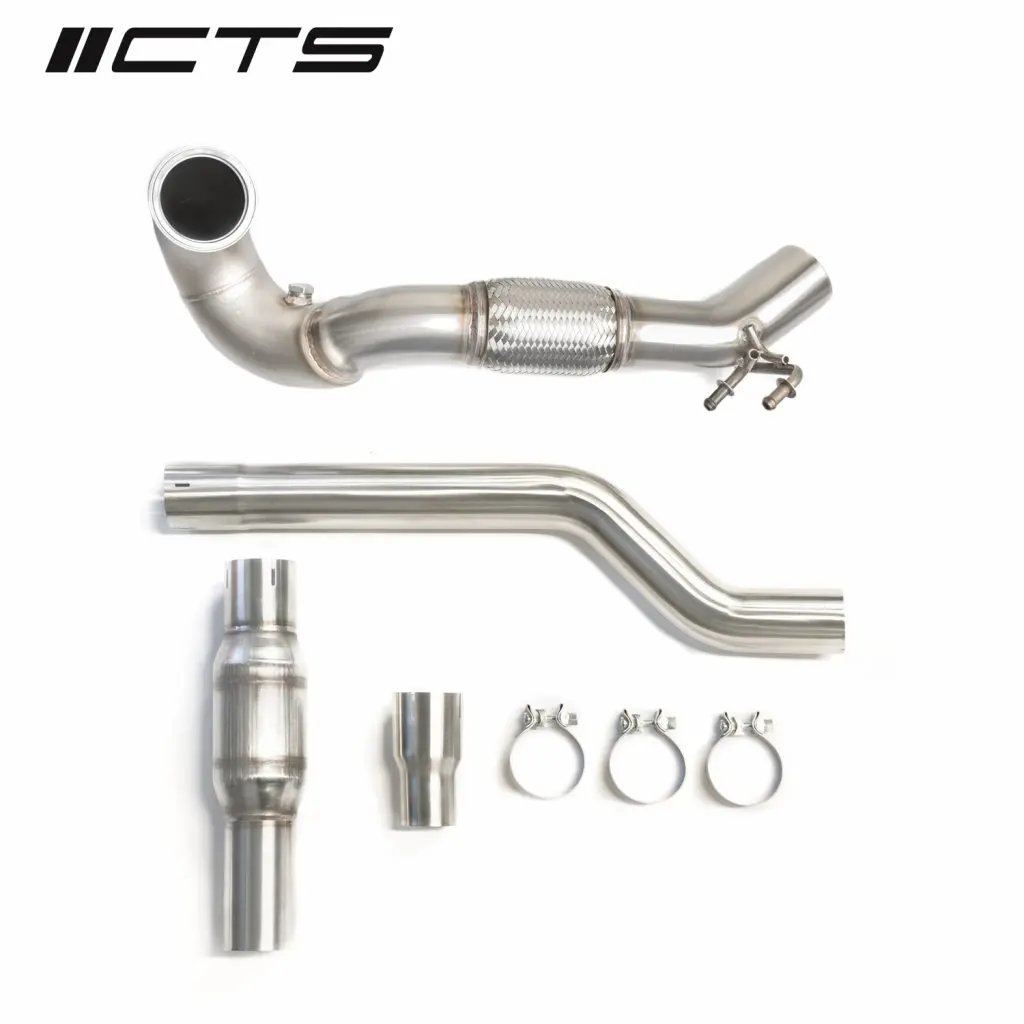
CTS Turbo MQB VW Tiguan and Audi Q3 AWD 1.8T/2.0T High-Flow Cat
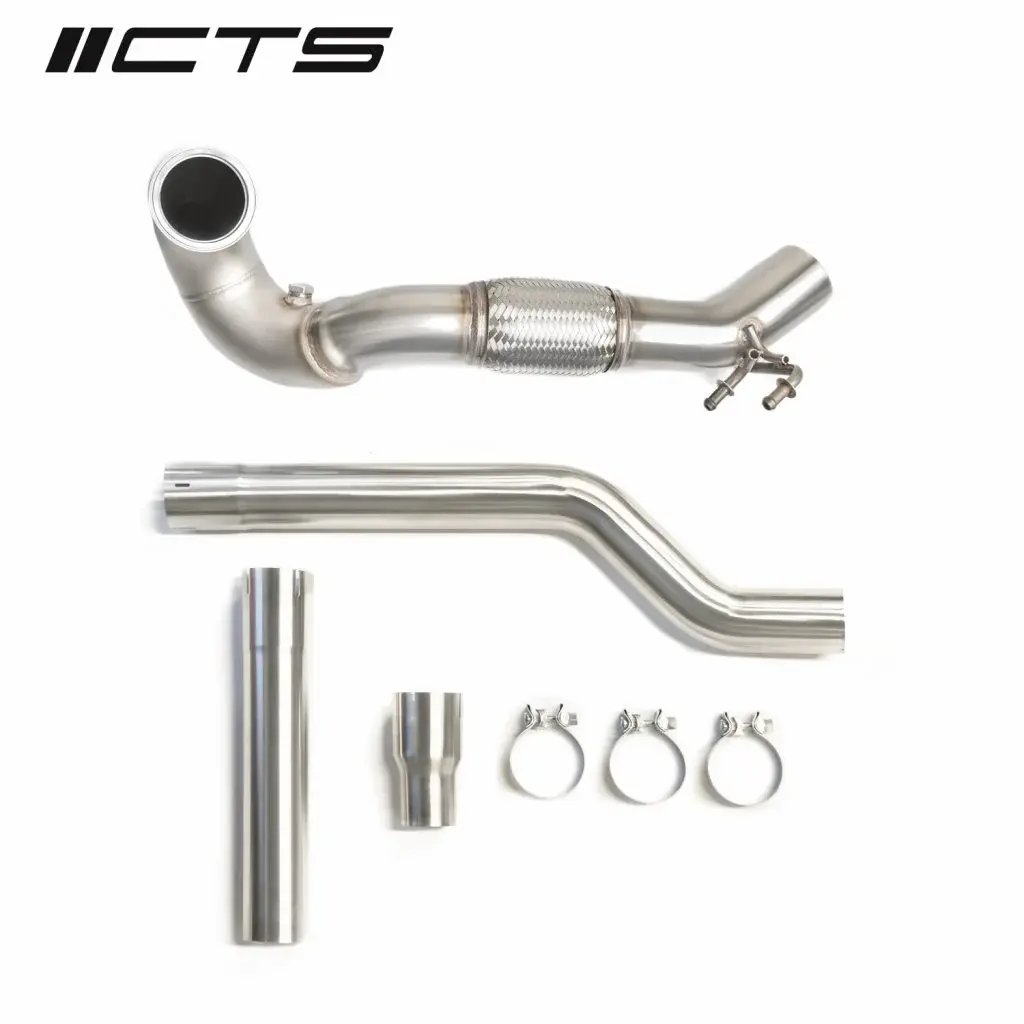
CTS Turbo Volkswagen Golf MK7R, Audi S3 Downpipe
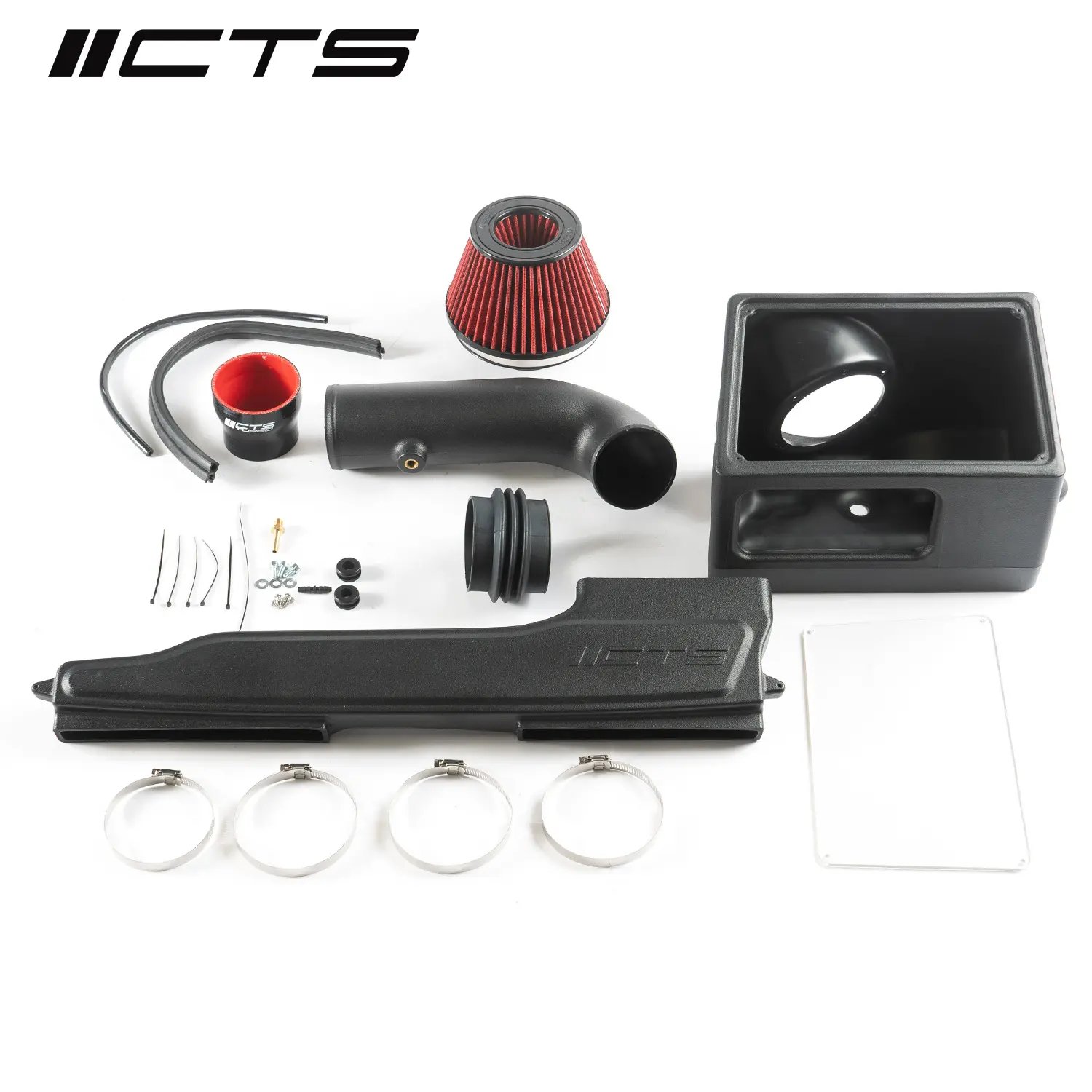
CTS Turbo MK7/7.5 VW Golf R/ Audi 8V S3 High-flow Intake
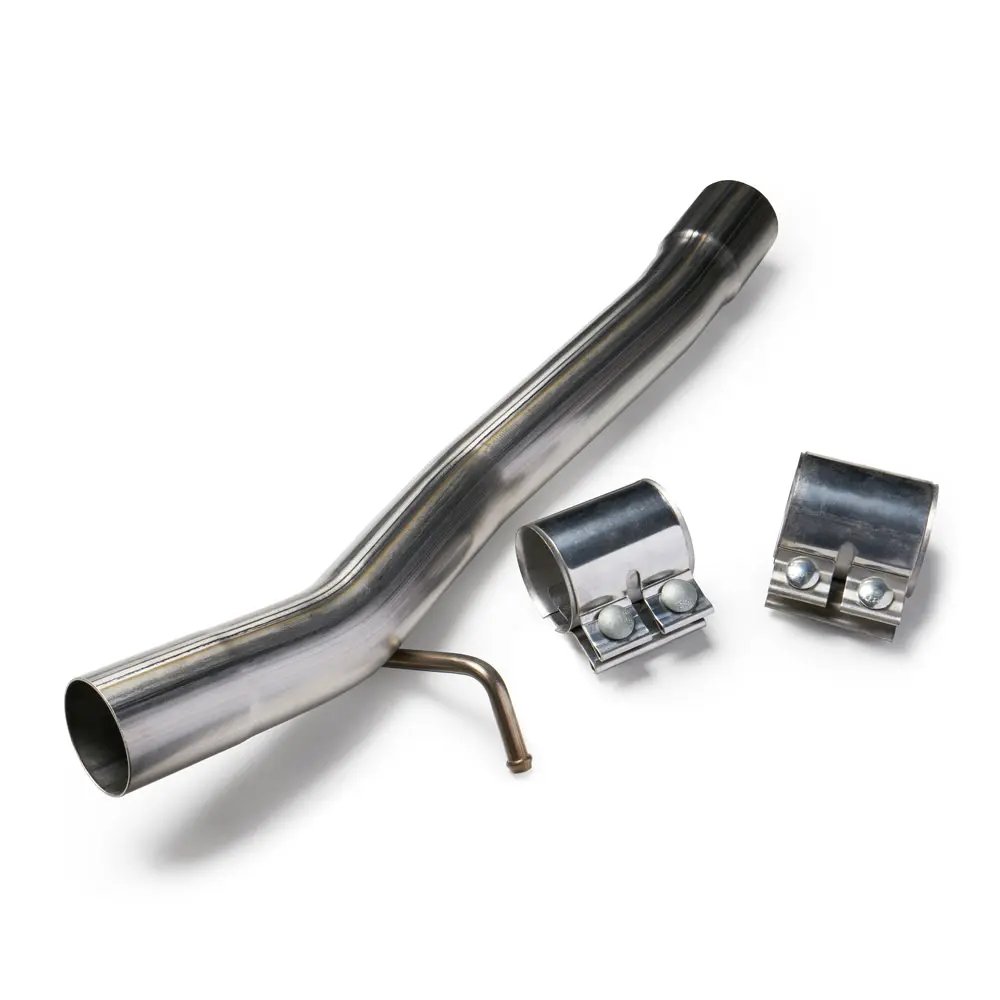
CTS Resonator Delete Kit – MK7/7.5 VW Golf R and 8V/8Y Audi A3/S3
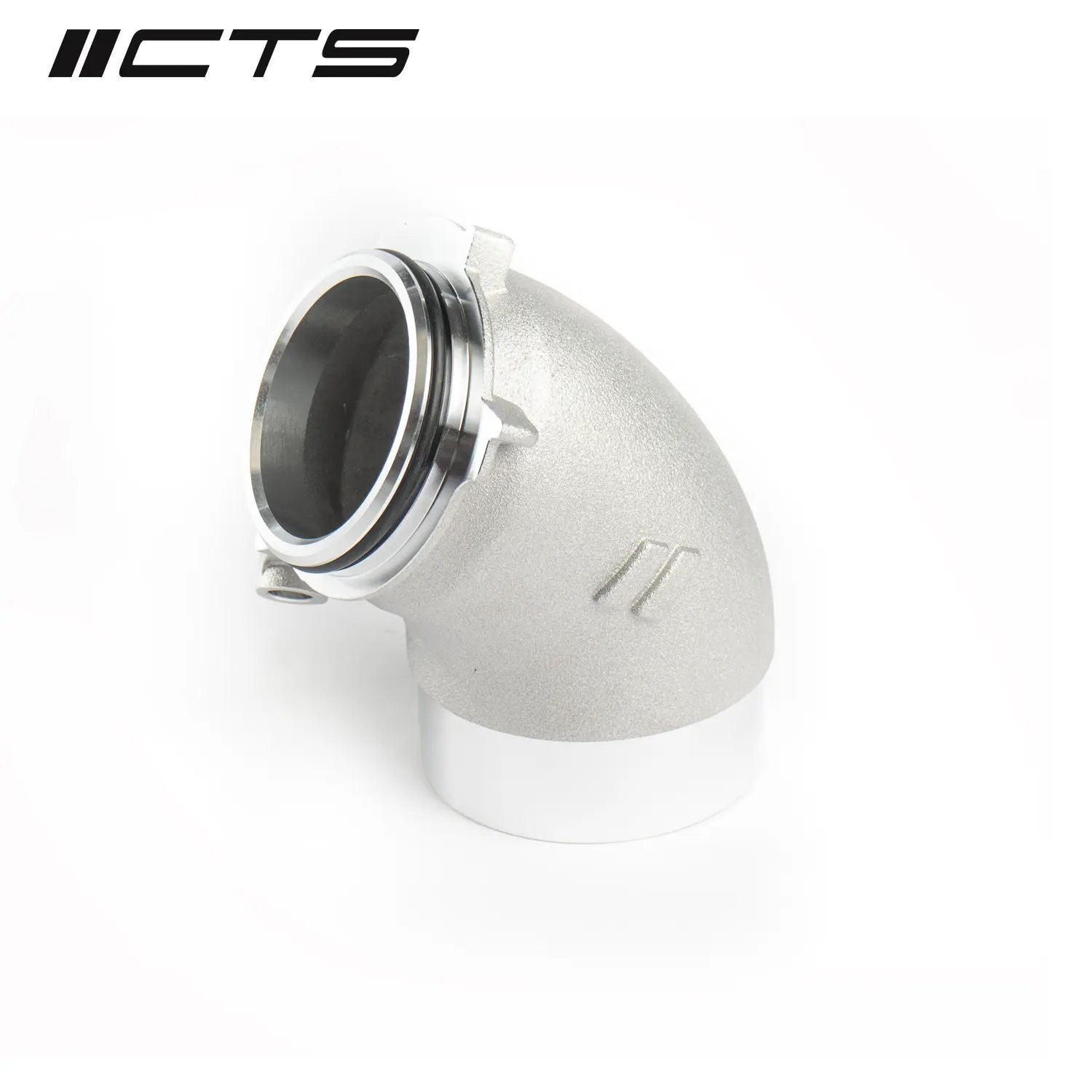
CTS Turbo MK8 Golf GTI/8Y Audi A3 Turbo Inlet Pipe
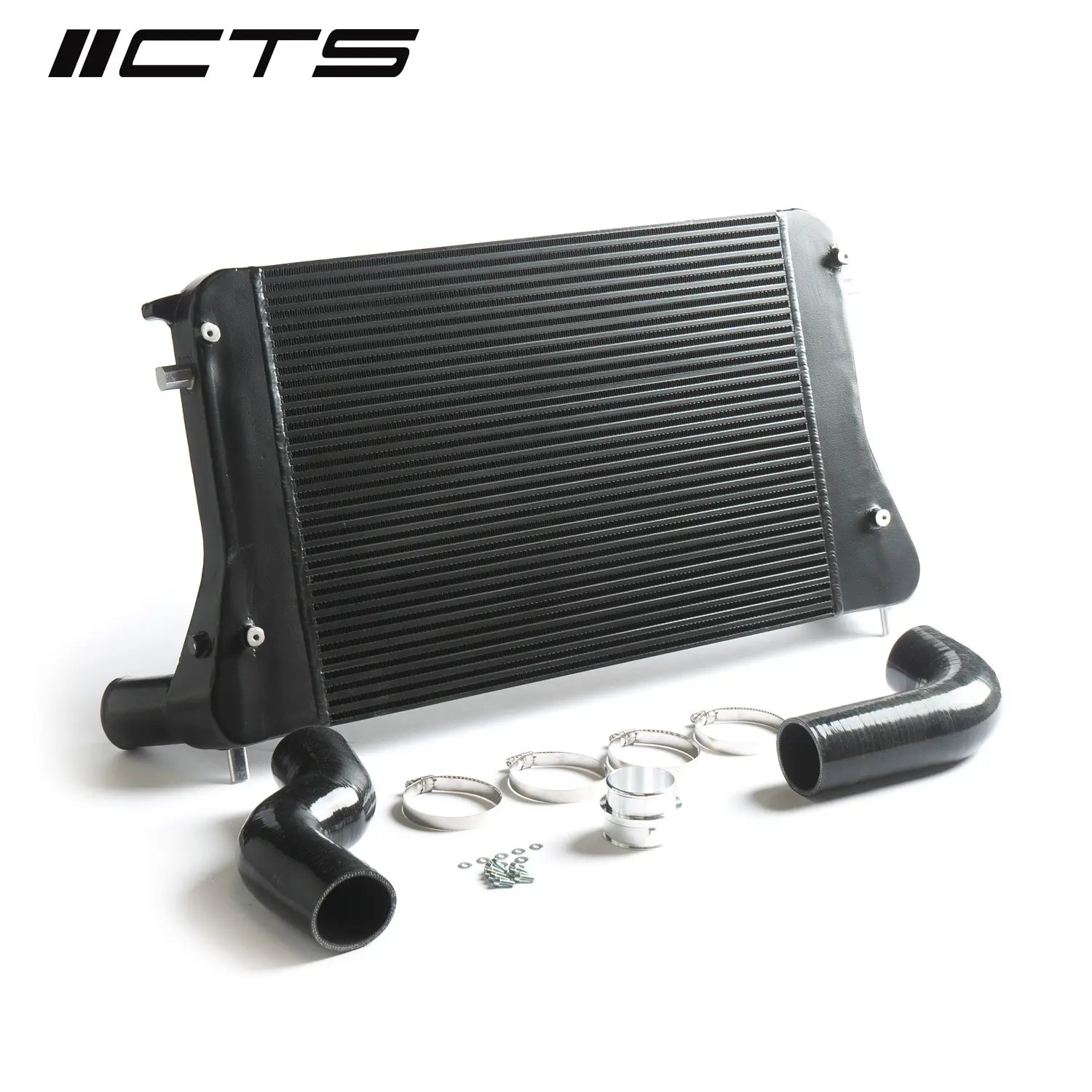
CTS Turbo MK6 Golf R 2.0T Direct Fit FMIC Kit
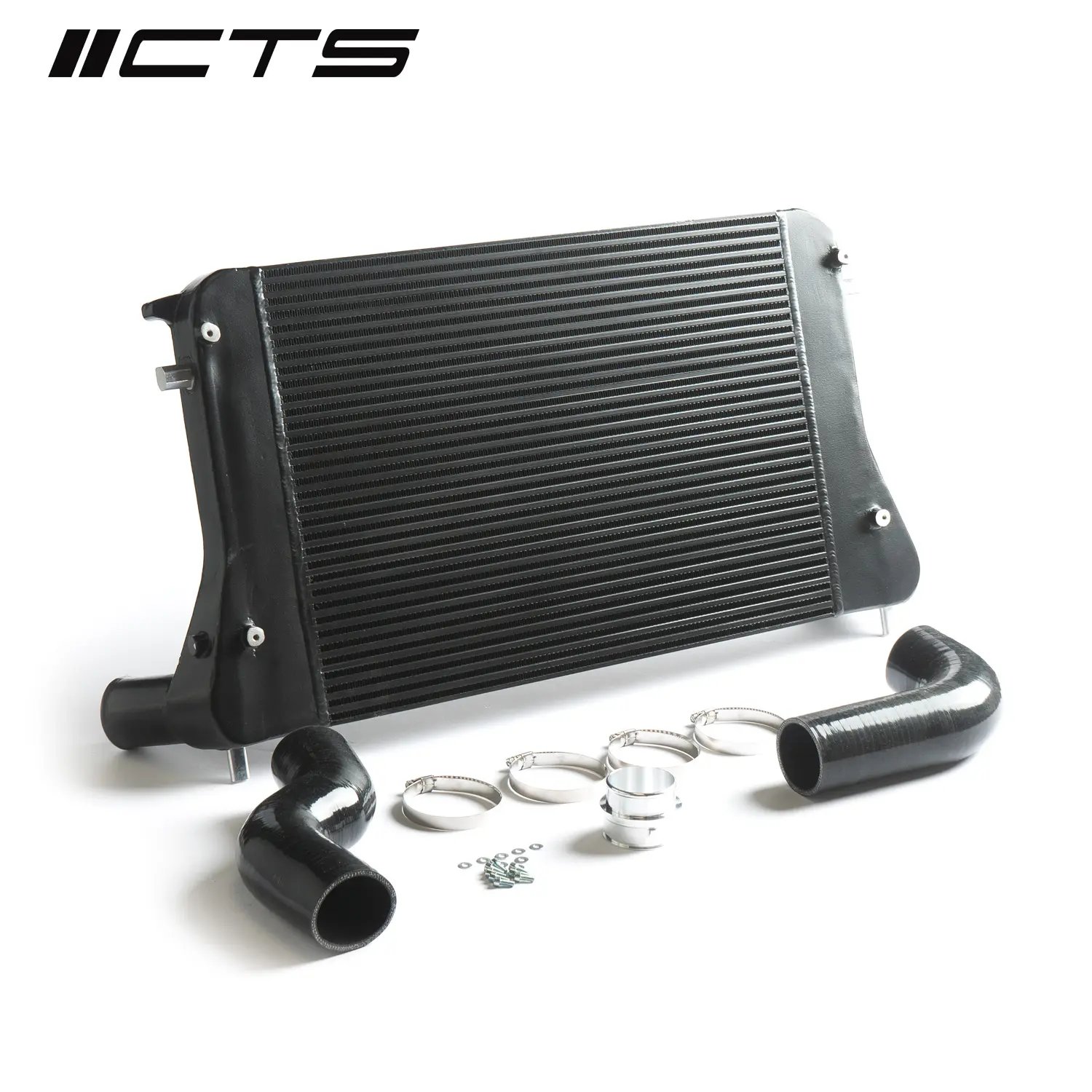
CTS Turbo VW EOS 2.0T Direct Fit FMIC Kit
Volkswagen Tuning FAQs
Common Questions.
What ECU platforms do you tune Volkswagen on?
Volkswagen work in our workshop runs on ECUTEK. Every calibration — factory ECU remap or standalone engine management — is developed on our in-house Mainline AWD dyno rather than loaded from an off-the-shelf file.
What does a Golf R Stage 1 tune actually involve?
A Stage 1 Golf R tune is an ECU remap performed via the OBD port: no hardware removed, no physical engine access required. The calibration raises boost pressure targets, advances ignition timing for 98 RON, lifts fuel delivery limits, and removes the factory torque ceiling. On a Mk7/7.5 Golf R with the IS38 turbo, this takes the car from approximately 220kW to 285–295kW at the wheels on our Mainline AWD dyno. We always recommend pairing the ECU tune with a DQ381 DSG tune; without it, the gearbox limits what the engine can deliver.
Why do I need to tune the DSG alongside the ECU on a Golf GTI or Golf R?
The DSG (DQ250 in GTI, DQ381 in Golf R) has its own factory ECU with torque limits, shift strategies, and throttle-cut behaviour during gear changes that are calibrated for the stock engine output. When you raise the engine output with an ECU remap, the DSG continues applying its stock torque limits, actively restricting the improved engine. A matched ECU+DSG tune removes these limits, speeds up shifts, improves torque delivery through changes, and makes the launch control work more aggressively. The complete result is significantly better than ECU-only.
How much power can a VW Amarok V6 TDI make on a tune?
A stock Amarok V6 3.0 TDI makes approximately 195kW and 550Nm (estimated at wheels) in the TDI420/TDI440 trim. A Stage 1 ECU remap takes this to around 250kW and 680–700Nm at the wheels, a significant torque improvement felt immediately under load. Stage 2 with an upgraded intake, intercooler, and exhaust adds a further 35–40kW. The ZF8HP automatic TCU tune alongside the ECU work improves shift quality and torque delivery through changes. For towing applications, this is one of the most transformative modifications available on any vehicle.
What's the difference between the EA888 Gen 3 and Gen 3B for tuning?
Gen 3 (Mk7/7.5 Golf GTI/R, 2014–2020) has a well-established calibration ecosystem with multiple proven tuning platforms and years of development. Gen 3B (Mk8 Golf GTI/R, 2021+) uses a more security-locked ECU that requires specific tools, but the hardware responds equally well: Stage 1 gains on the Mk8 Golf R are actually better than Mk7 in percentage terms. The main practical difference for consumers is that Gen 3B tuning options are more limited to specific developers, and it may take longer to get service for a very new vehicle.
Is Stage 2 worth it on a Golf GTI, and what does it need?
Stage 2 on a Golf GTI requires an IS38 turbo upgrade (from the stock IS20), a high-flow intake, an upgraded front-mount intercooler, and a high-flow downpipe. With these modifications in place, a custom ECU tune on our Mainline dyno typically produces 260–275kW at the wheels, versus 220–225kW from Stage 1. The IS38 upgrade alone is the biggest step change. Whether Stage 2 is 'worth it' depends on your budget and goals: Stage 1 is excellent value, but Stage 2 with an IS38 makes a GTI genuinely quick by any standard.